Blomberg
Building rehabilitation
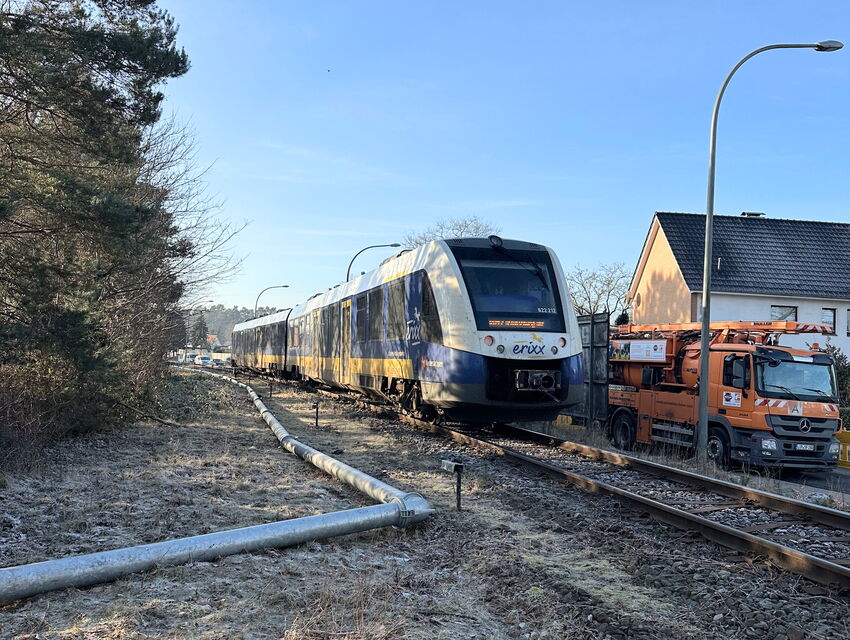
First practical deployment of the RELINE Alphaliner RL in Gifhorn
This year, Deutsche Bahn is investing over 23 billion euros in the rail network through major projects and preventive measures. The focus is on the Berlin–Hamburg route as well as further projects such as Obertraubling–Passau, Hagen–Wuppertal, and Nuremberg.
This infrastructure programme also affects pipelines laid in the vicinity of railway systems. They are subject to special technical and regulatory requirements. Network operators of pipelines in railway bodies therefore previously had to work with severely limited rehabilitation options, complex approval processes, or the use of cost-intensive repair methods for underground infrastructure at railway systems. RELINE has developed a dedicated solution specifically for this: the Alphaliner RL. As the first cured-in-place pipe liner with product-specific approval from Deutsche Bahn in accordance with "Planning Guide for Pipeline Rehabilitation Part 1", it was used in Gifhorn under real conditions.
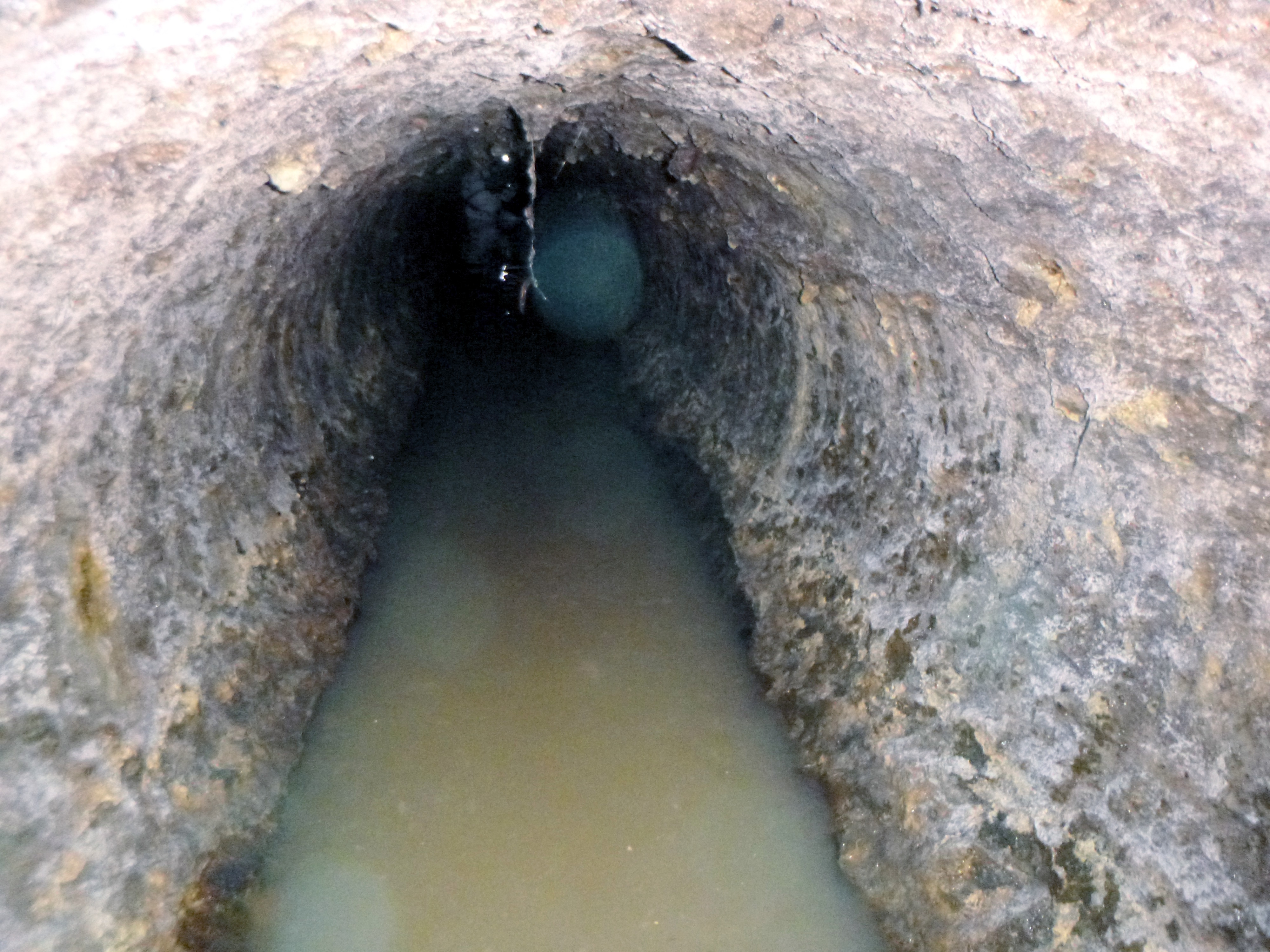
Against this background, a wastewater pipeline DN 1000 was rehabilitated, for which, due to the deterioration of the corrosion protection layer, there was an urgent need for repair.
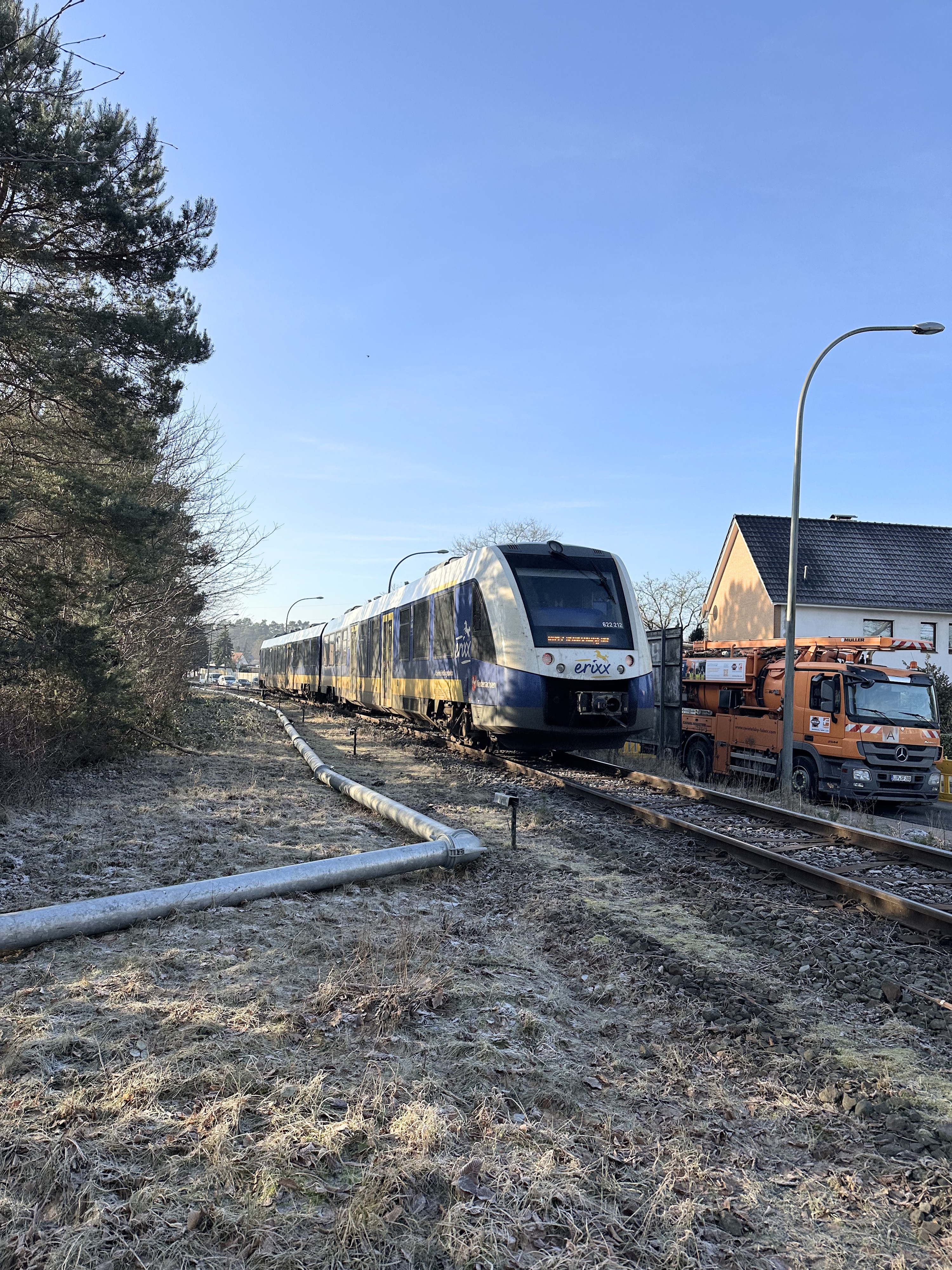
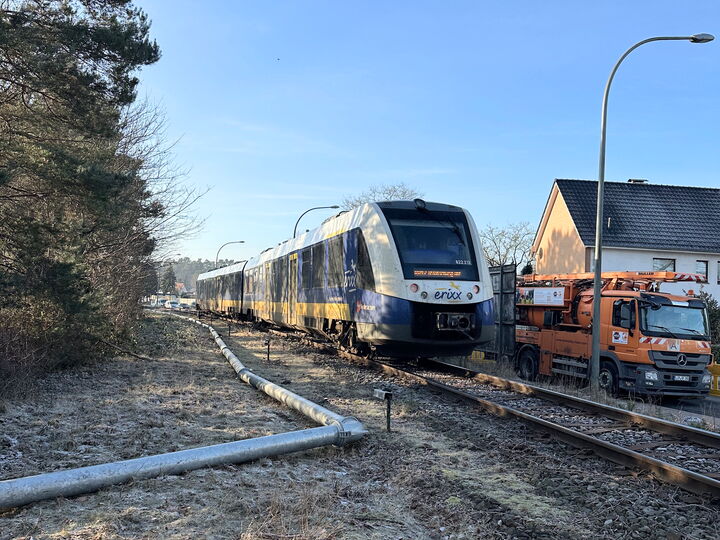
The selected line runs in the area of a single-track railway route, crosses it, and at the same time performs a central drainage function for the surrounding wastewater network of Gifhorn. The client for the measure was the Wastewater and Street Cleaning Department of the City of Gifhorn. For the operator, an open intervention was not an option due to its location in the track network of Deutsche Bahn. Therefore, a solution was sought for which approval had been granted by the railway and that could be implemented within a narrowly defined time window. In addition, ongoing rail operations were not to be impaired.
The operational execution was carried out by the SWIETELSKY-FABER Blomberg branch under the project responsibility of the branch manager Oliver Ruch. Due to the particular significance of the measure, the project was supported in close coordination with the application engineering of RELINE. It was necessary to address precisely the special operational requirements of Deutsche Bahn for the pipeline rehabilitation in the track area, both with regard to taking the static conditions into account and to the technical process requirements.
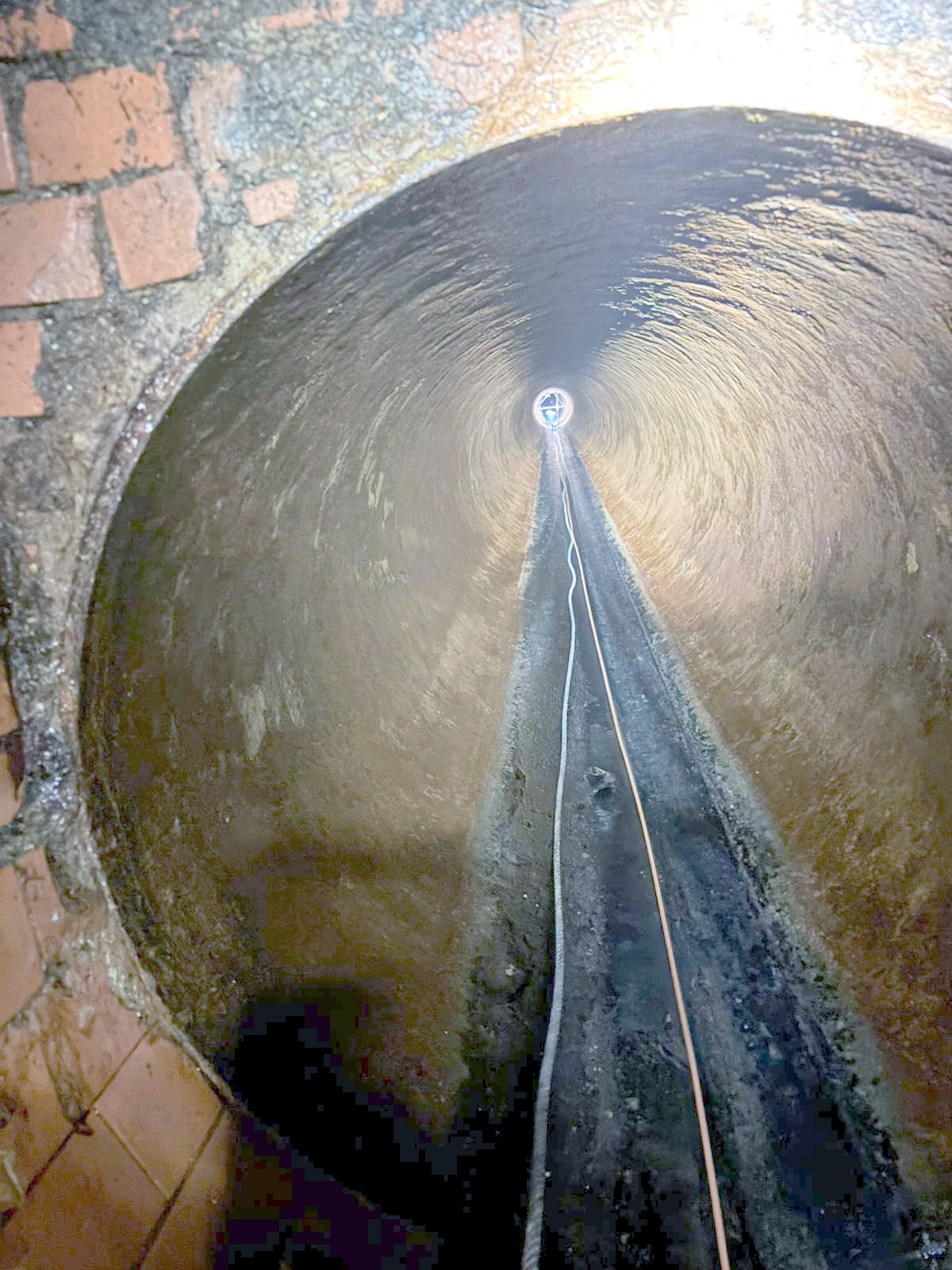
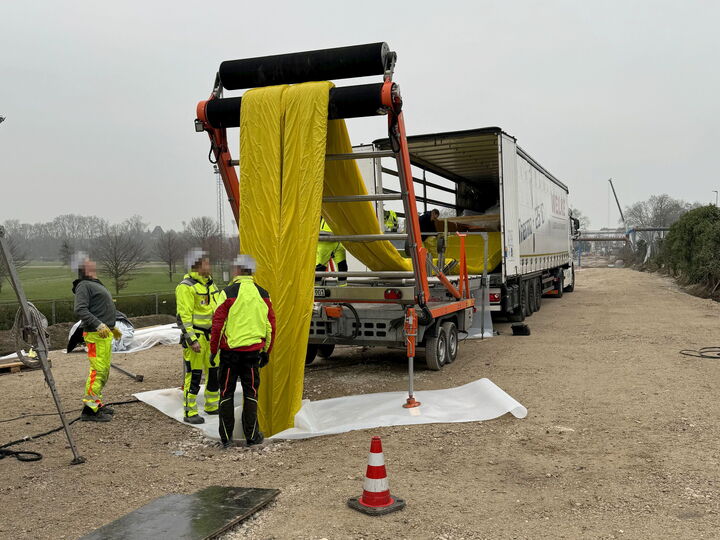
To ensure the decommissioning of the wastewater pipeline during the construction phase while maintaining 100% rail operations, the team at the Blomberg branch therefore organised the installation of a temporary drainage system around 500 metres long parallel to the railway track in advance of the rehabilitation measure. This was followed by cleaning and condition assessment of the existing DN 1000 steel pipe. Deposits adhering to the corrosion protection layer were removed manually using hydromechanical methods, and the steel pipe surface was laboriously levelled for the liner installation.
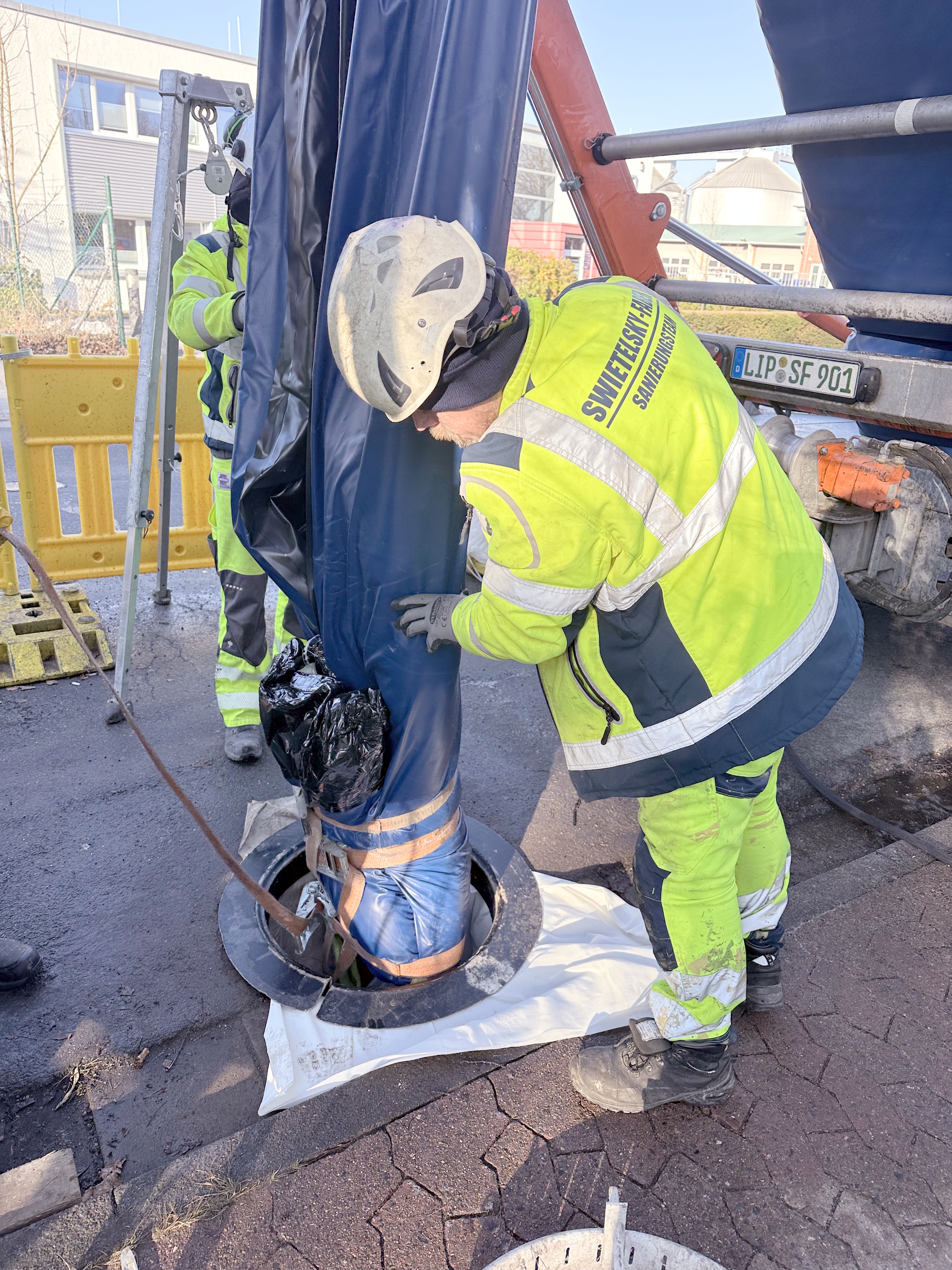
In addition, SWIETELSKY-FABER coordinated the installation and connection of the liner as well as the deployment of the safety supervision personnel (Sakra) in order to comply with all Deutsche Bahn safety regulations in the track area.
Why the Track Environment Is Different
Unlike conventional channel structures, where static loads are predominantly decisive, recurring dynamic traffic loads determine the long-term behaviour of the pipe-soil system in the track area. The wall structure, material behaviour, and protection of the laminate therefore become crucial factors.
At the same time, interventions in the immediate vicinity of railway tracks are clearly regulated. Construction products must demonstrate their suitability before they may be used. This increases operational safety, but significantly limits the choice of approved rehabilitation systems. The Alphaliner RL is currently the only GRP cured-in-place pipe liner system with the corresponding product-specific approval for this application area.
Constructive response to special requirements
The Alphaliner RL is based on the proven Alphaliner system, but has been specifically further developed for this sensitive area of application. The decisive difference lies in the wall structure: the inner film remains permanently in the pipe and is not removed after curing, as is the case with conventional systems.
While it primarily fulfils a function in the manufacturing process for standard liners, with the RL system it remains an integral part of the construction. It acts as an additional barrier between the medium and the laminate and optimises protection against moisture penetrating the construction matrix over the long term. Especially under dynamic loads, such as those that naturally arise in the area of track systems, this protection is an essential factor for the long-term material durability.
The increased composite thickness of 14.90 millimetres selected here in Gifhorn additionally takes account of the special structural requirements and underlines the system's specific design for the railway environment.
Efficiency and extent of intervention in comparison
Alternative methods in the track area are technically possible, but are often associated with cross-section reductions, additional structural measures, or longer construction times. Especially for short crossings between 20 and 50 meters, this creates considerable organisational and economic effort.
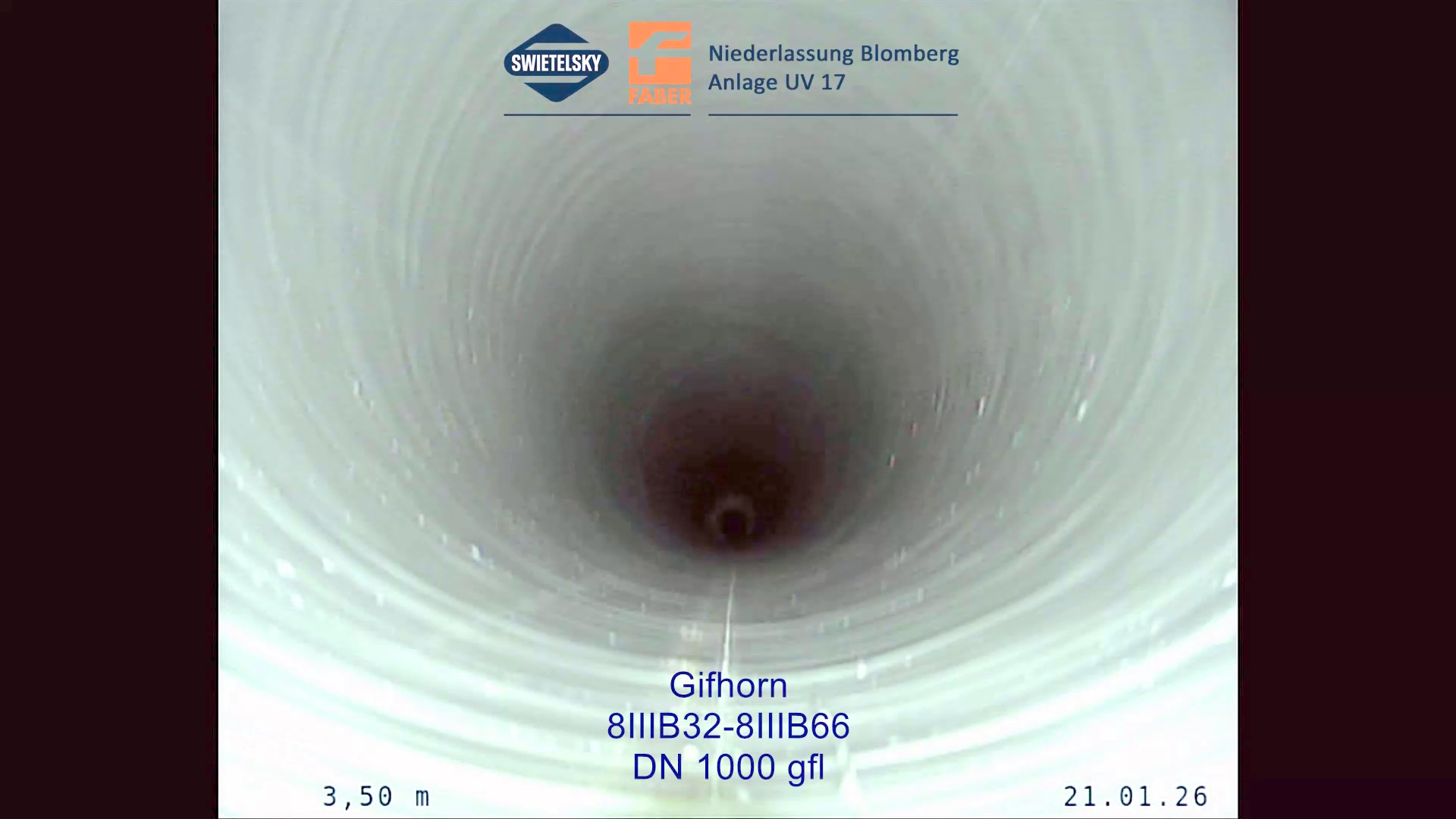
The hydraulic cross-section in Gifhorn could be fully preserved. The compact construction sequence minimized interventions in the existing infrastructure and reduced the duration of the measure to a minimum. The liner installation proceeded without any obstacles and could be completed within one day.
Reference project with signal effect
With the successful installation of the Alphaliner RL, RELINE reinforces its pioneering role in a market segment that has been highly regulated until now. “The project in Gifhorn demonstrates that trenchless GRP rehabilitation of pipelines and culverts in pressure applications subject to railway traffic loads is technically resilient and economically viable,” says Christian Pfaff, Area Sales Manager Germany at RELINE.
More projects
-
Blomberg / Hamburg / Hamburg Head Office
-
Bodenheim: Close-fit method secures drinking water transport pipeline
Alzey / Hörsching
-
Gifhorn: Premiere in the railway environment of Deutsche Bahn
Blomberg
-
Staßfurt: Sustainable coating of a brine tank
Nuremberg
-
Oberaudorf: Concrete rehabilitation of the Röthenbach stream culvert
Freilassing
-
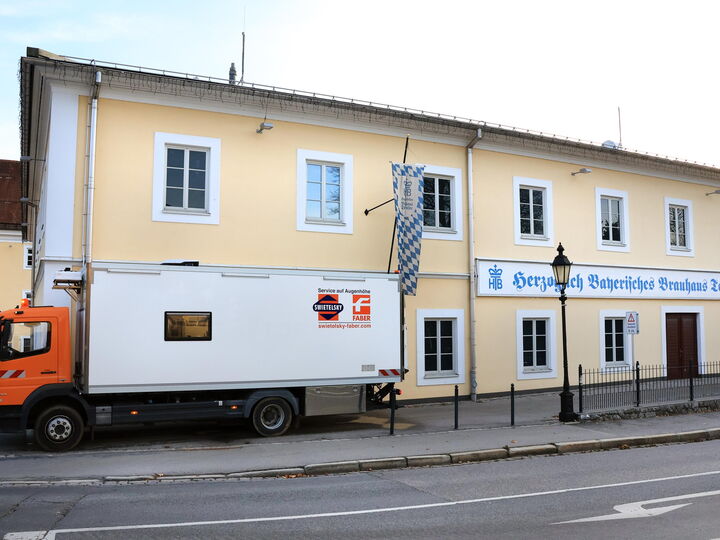
Tegernsee Brewery: Trenchless manhole rehabilitation with polyurea
Freilassing / Nuremberg
-
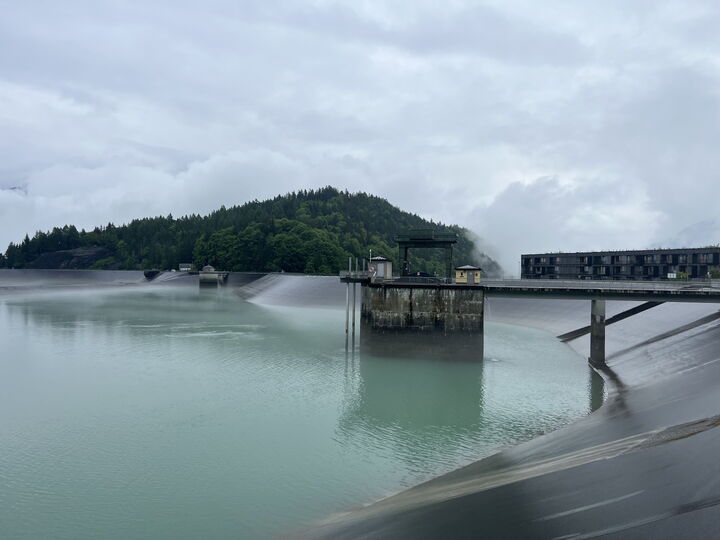
Power plant pipelines: Tailor-made solutions
Hörsching
-
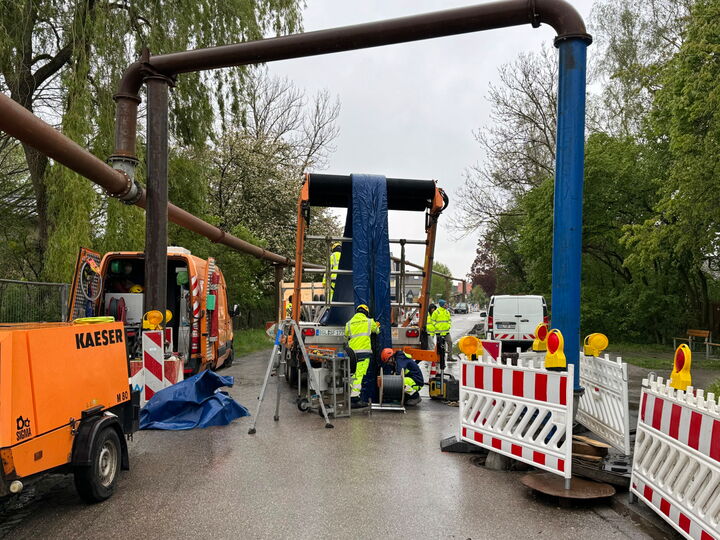
Germering: Sustainable pipe rehabilitation reduces energy demand in wastewater treatment plants
Freilassing
-
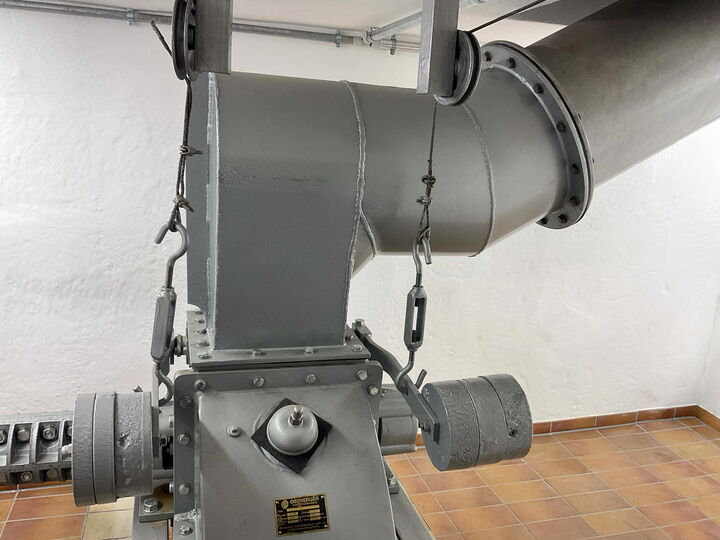
Herrenmühle Aulendorf: Pressure pipeline sustainably rehabilitated
Hörsching / Landsberg
-
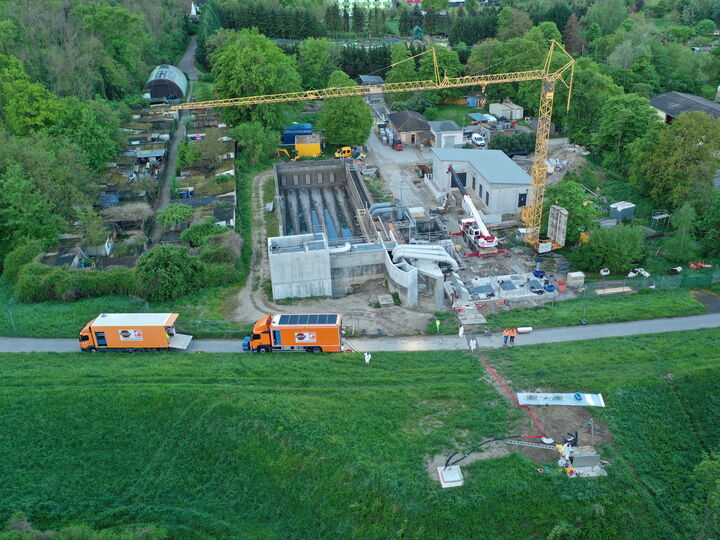
Altrip: Trenchless rehabilitation secures flood protection at the pumping station
Alzey
-
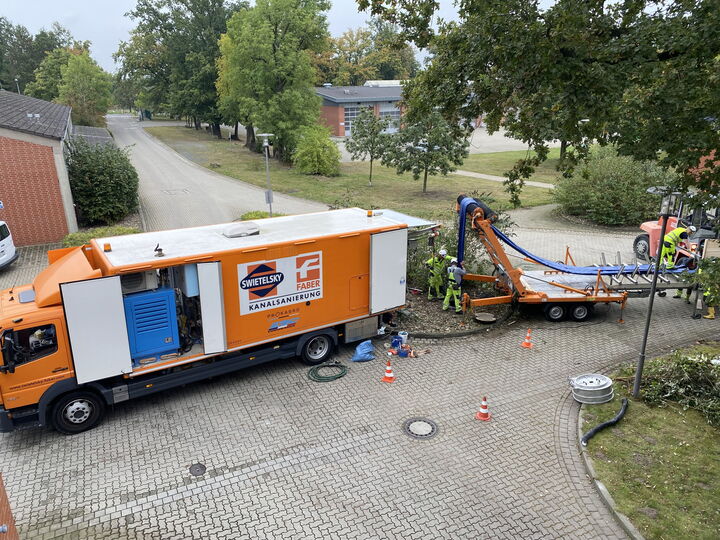
Wermelskirchen: Liner pipe technology shows strengths in combined rehabilitation
Alzey / Leipzig
-
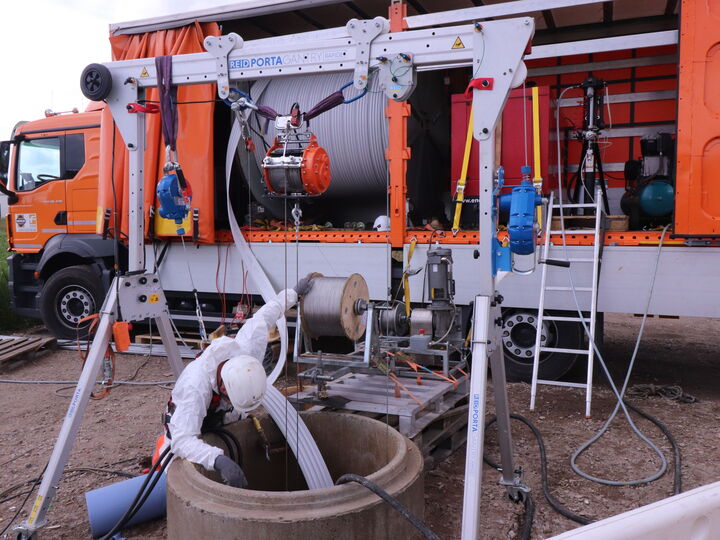
Flensburg: Wound pipe technology in use beneath a former landfill
Hamburg / Leipzig
-
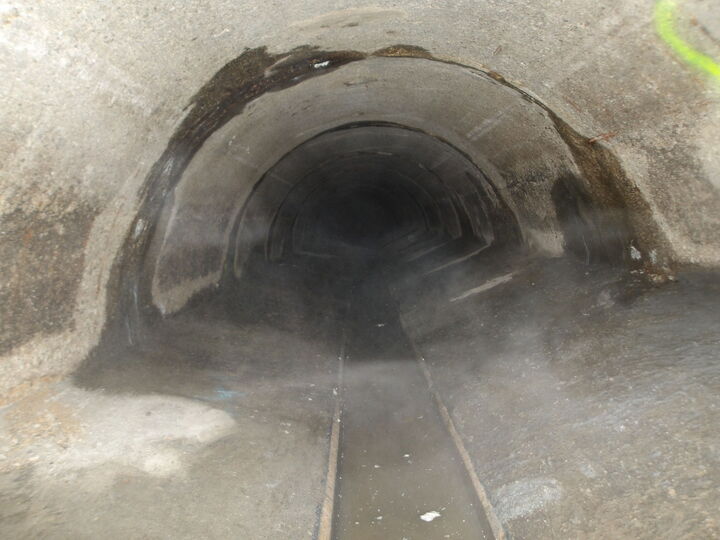
RHV Mittleres Rodltal: Mouth profile rehabilitated with UV pipe liner
Hörsching
-
Neuss: Sewer rehabilitation in large dimensions DN 1200–1500
Blomberg
-
Freyburg relies on SPR-EX wound pipe technology
Hamburg / Leipzig