GeoKrete®

Geopolymer mortar for structural rehabilitation and corrosion protection

Structures and pipe systems made of concrete, steel, or masonry are exposed to high loads, especially in aggressive environments. Acid attacks, biogenic sulfuric acid corrosion, abrasion, and moisture can permanently damage the material.

With GeoKrete®, SWIETELSKY-FABER offers an innovative solution for structural rehabilitation and the long-term protection of pipelines, shafts, tunnels, and other structures.

The single-component geopolymer mortar is based on an alkali-activated reaction of aluminosilicates and water. This creates a particularly dense, inorganic polymer structure with high early and long-term strength as well as excellent chemical resistance.

GeoKrete® combines the advantages of a modern spray coating with complete structural reinforcement – even where conventional cement-based systems or classic composite systems reach their limits.

For which pipelines is the process suitable?

Suitable substrates

Concrete, steel, stone, masonry, plastic, other mineral and metallic surfaces (project-dependent)

Used for

Corrosion, biogenic sulfuric acid corrosion, cracks and material loss, leaks, structural damage, exposure to aggressive media

Durability
  • Acid-resistant up to pH value 1.0
  • Temperature resistance above 100 °C with industrial wastewater (project-dependent)
  • extremely low permeability

Areas of application

GeoKrete® is particularly suitable for areas with high requirements for durability and load-bearing capacity:

  • Wastewater infrastructure with high hydrogen sulfide exposure
  • Sewage treatment plants
  • large pipe profiles and special structures
  • shafts, wells and pumping stations
  • industrial wastewater facilities
  • tunnels
  • culverts
  • stormwater structures
  • special structures of the water infrastructure

This is how restoration with GeoKrete® works

Before application, the substrate is thoroughly prepared. Loose components, contaminants, and damaged areas are removed, and the surface is prepared for optimal adhesion.

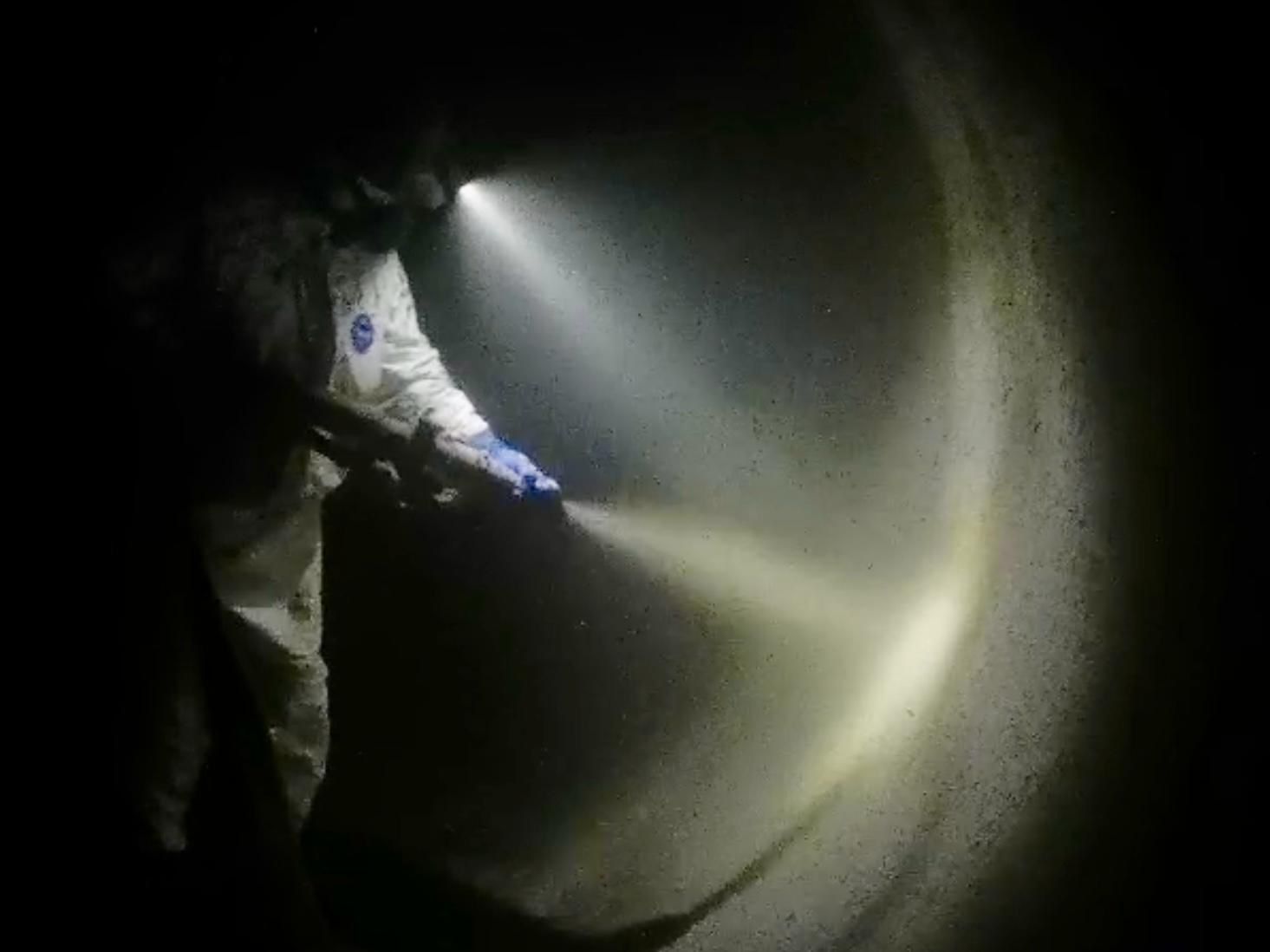
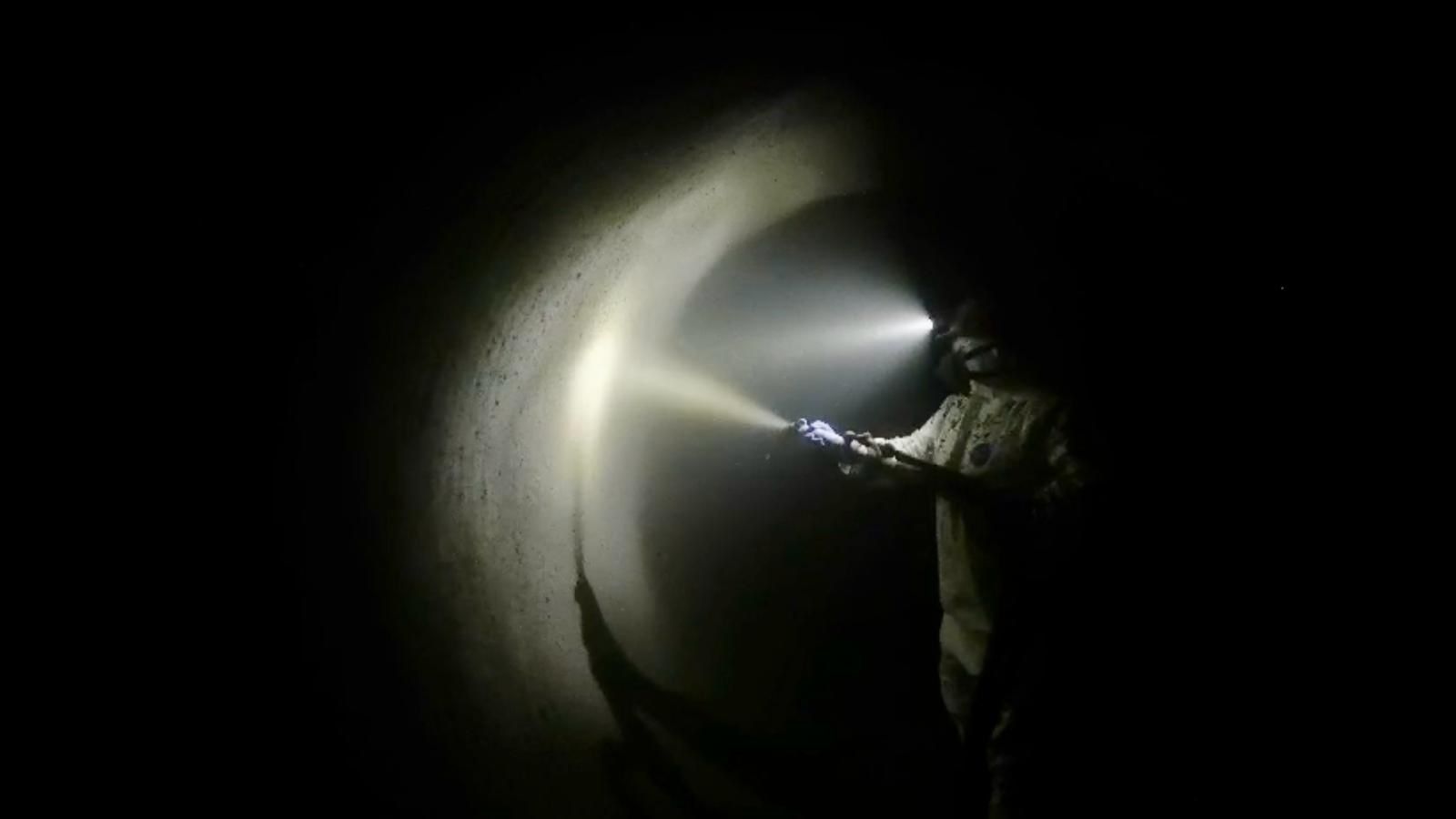
The factory-pre-mixed geopolymer mortar is mixed on site only with water and then applied to the surface by means of low-pressure spray application or centrifugal casting process.

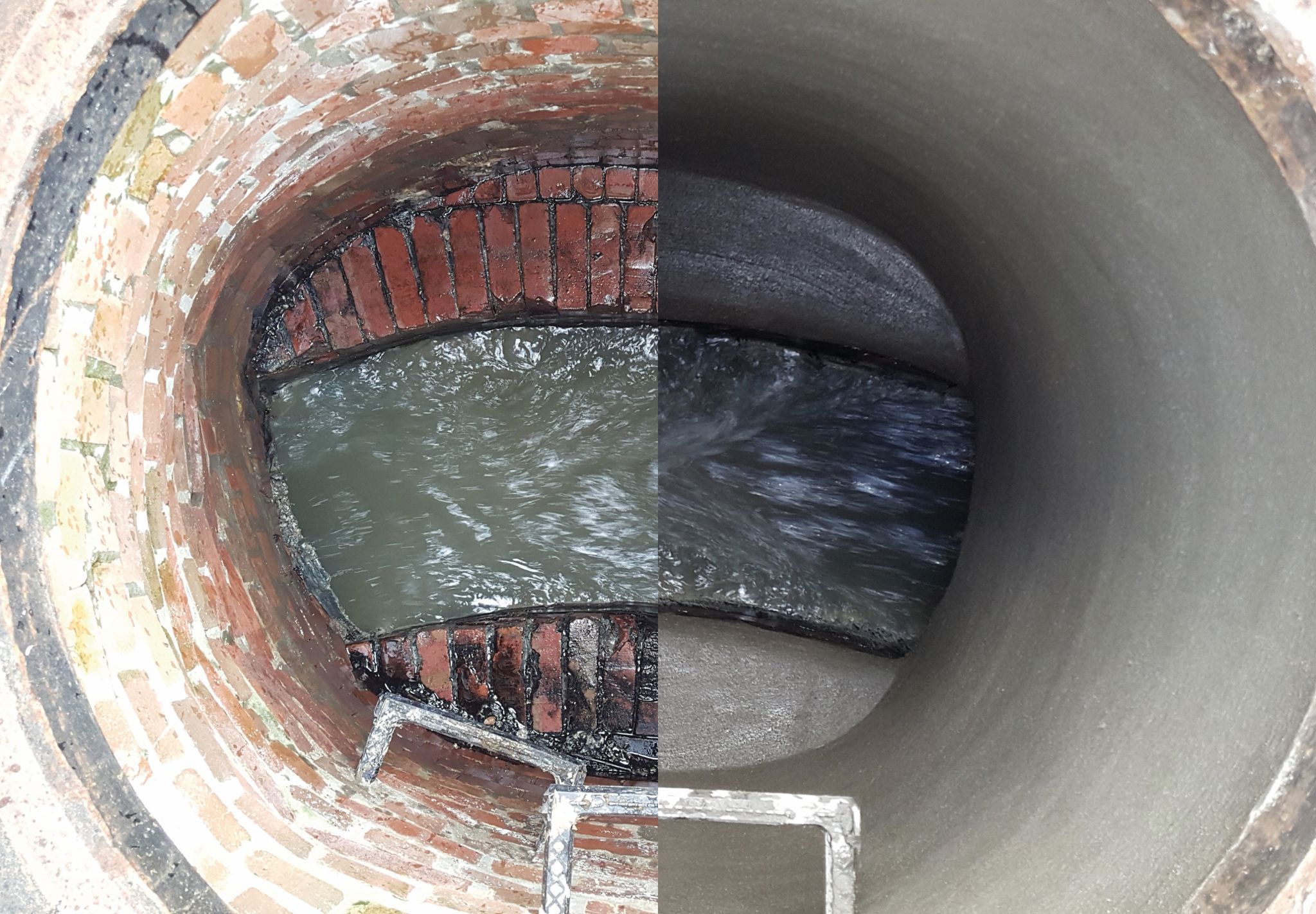
Through alkali-activated polycondensation, a monolithic, inorganic polymer structure is created that bonds permanently with the substrate.

Depending on the requirement, GeoKrete® can be used as a protective coating or as a completely structural rehabilitation solution in different layer thicknesses.

Advantages of GeoKrete®

Complete structural rehabilitation solution
GeoKrete® restores the load-bearing capacity of damaged structures and provides long-term protection against further damage.

 Excellent chemical resistance
The inorganic polymer structure is particularly resistant to aggressive media and acid attacks.

High early and final strength
The material quickly achieves high mechanical properties and ensures long-term stability.

Corrosion-resistant protection
Ideal for wastewater environments with high levels of biogenic sulfuric acid corrosion.

 Flexible application options
Application on horizontal and vertical surfaces as well as in different layer thicknesses possible.

 High adhesion
GeoKreteae adheres to numerous substrates such as concrete, steel, stone, masonry, and plastic.

 Sustainable Alternative
With its reduced CO82 footprint, GeoKreteae offers a resource-efficient solution for the renovation of existing infrastructure.

Sustainability and reduced CO3-footprint

GeoKreteae was certified by SCS Global Services as a product with a reduced carbon footprint.

Compared to other rehabilitation systems, GeoKrete® achieves significant savings:

  • 51 % less CO2 compared to mortars based on Portland cement
  • 59 % less CO2 compared to mortars based on calcium aluminate cement
  • up to 95 % less CO2 compared to CIPP processes

This means GeoKreteae supports the sustainable renewal of existing infrastructure and helps reduce environmental impacts.

Technical service data

Material:
Single-component, microfibre-reinforced geopolymer mortar

Bonding mechanism:
Alkaline-activated polycondensation

Order procedure:

  • Low-pressure spraying
  • Slush casting process

Layer thicknesses:

  • Protective coating: from approx. 12.7 mm
  • structural rehabilitation: from approx. 25.4 mm

Durability:

  • Acid-resistant up to pH 1.0
  • Temperature resistance above 100 °C with industrial wastewater (project-dependent)
  • extremely low permeability

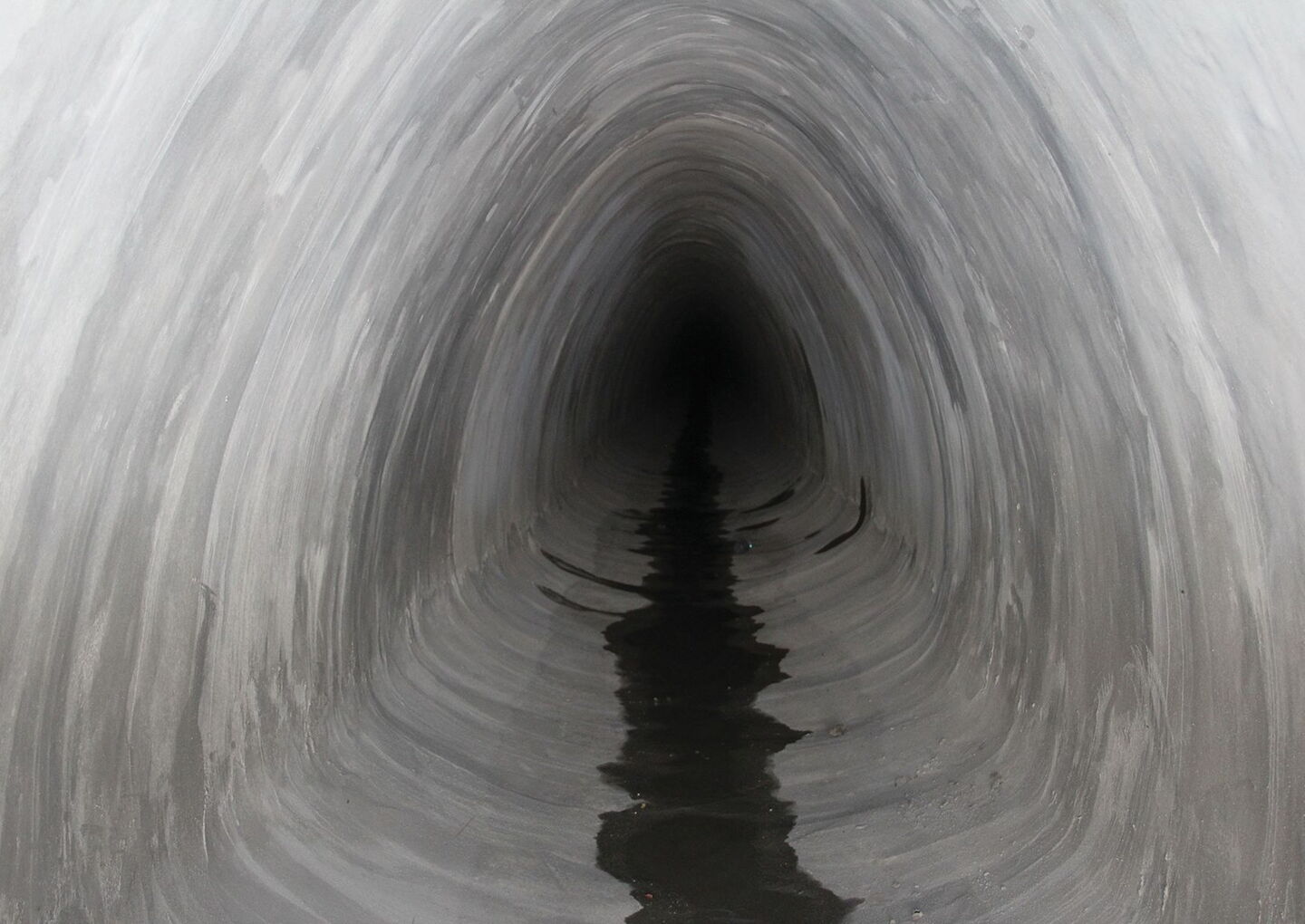
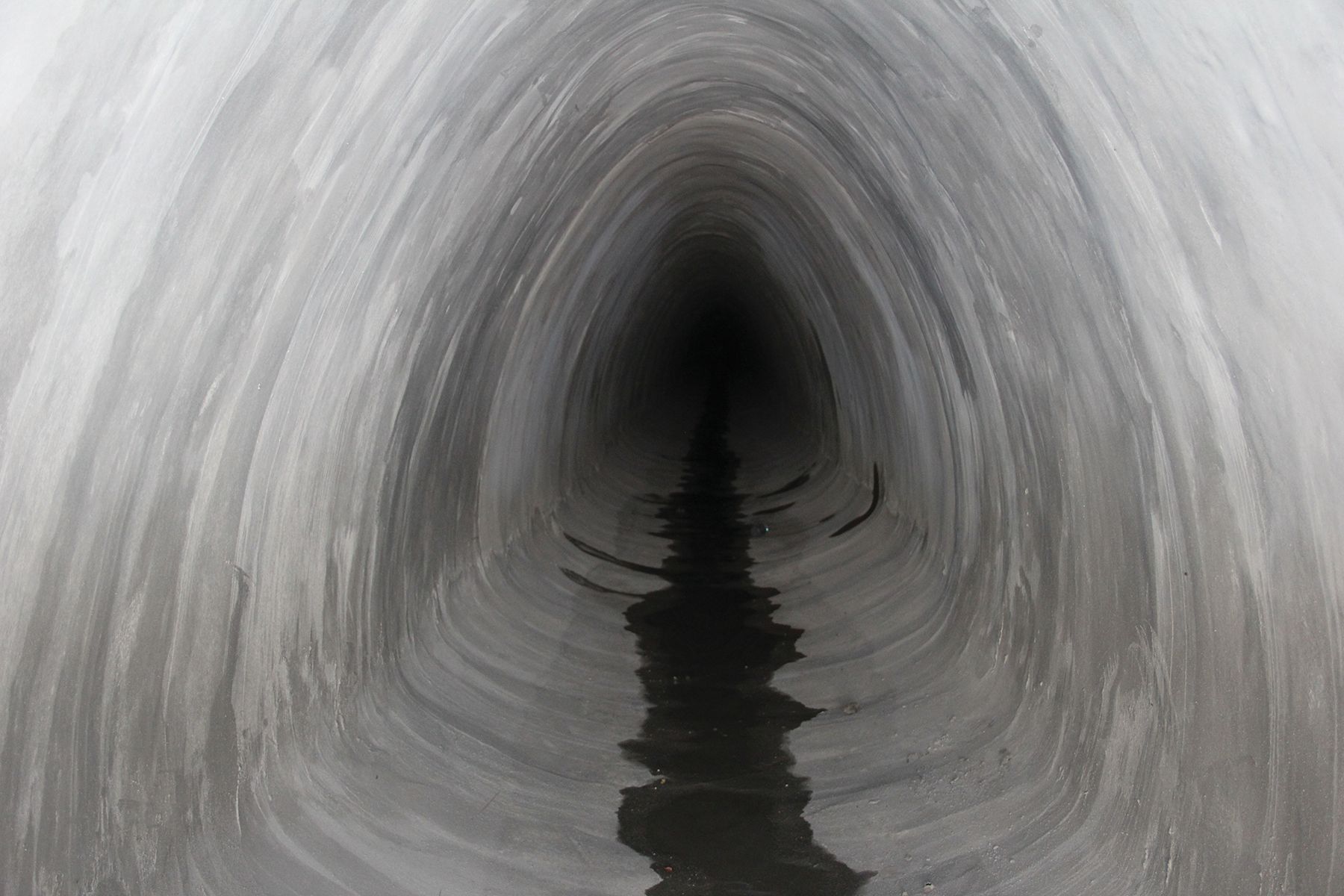
GeoKrete® in practice

Frequently asked questions

Everything else you need to know about the technology

What is GeoKrete®?

GeoKrete® is a modern geopolymer mortar for structural rehabilitation and corrosion protection of pipelines, manholes, tunnels, and other structures. After curing, the material forms a dense, inorganic polymer structure with high strength and durability.

Where is GeoKrete® used?

GeoKrete® is used wherever existing infrastructure must be permanently protected or structurally upgraded — especially in wastewater facilities, manholes, culverts, tunnels, and large pipe profiles.

What advantages does GeoKrete® offer over conventional cement mortars?

Compared with classic cement-based systems, GeoKrete® offers higher chemical resistance, better adhesion, and significantly greater resistance to aggressive wastewater environments.

Is GeoKrete® suitable for heavily exposed wastewater environments?

Yes. GeoKrete® was specifically developed for harsh sewer environments and offers high resistance to biogenic sulfuric acid corrosion and aggressive media.

Which substrates can be rehabilitated with GeoKrete®?

GeoKrete® adheres to numerous materials, including concrete, steel, stone, masonry, and plastic.

Can GeoKrete® also be used on complex geometries?

Yes. Thanks to the spray application process, GeoKrete® is particularly suitable for irregular profiles, hard-to-reach areas, and structures where conventional lining systems cannot be used.

How is GeoKrete® applied?

The material is mixed with water on site and then applied using modern spray technology or centrifugal casting. Application takes place under defined quality assurance and inspection processes.