OBIC Polyurea Coating System

Sustainable structural protection for water and wastewater structures

Water and wastewater structures are exposed to high levels of stress every day: moisture, chemical influences, mechanical strain, and aggressive media can cause lasting damage to the building fabric.

With OBIC's polyurea coating technology, SWIETELSKY-FABER offers an innovative solution for the permanent protection and rehabilitation of existing structures.

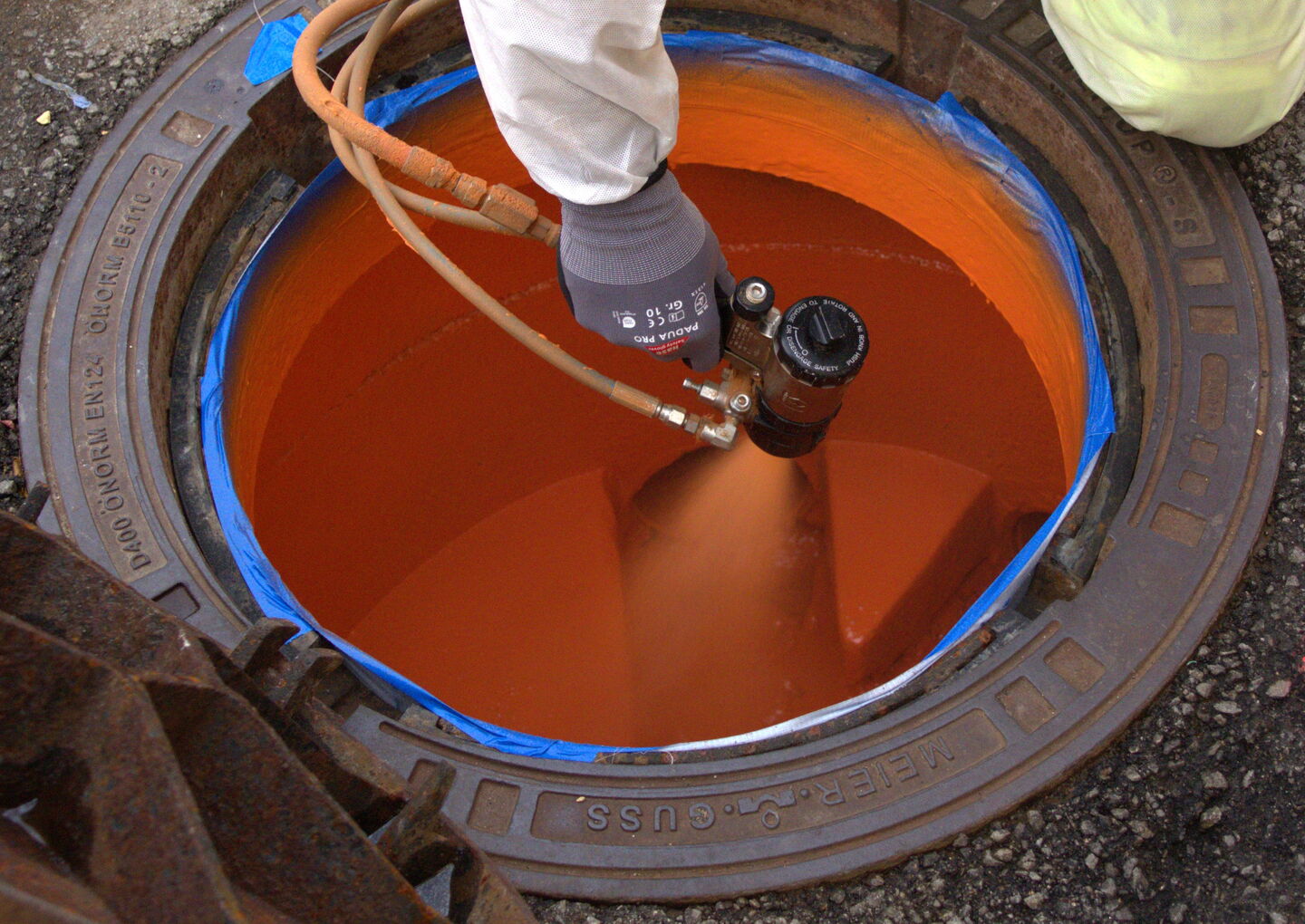
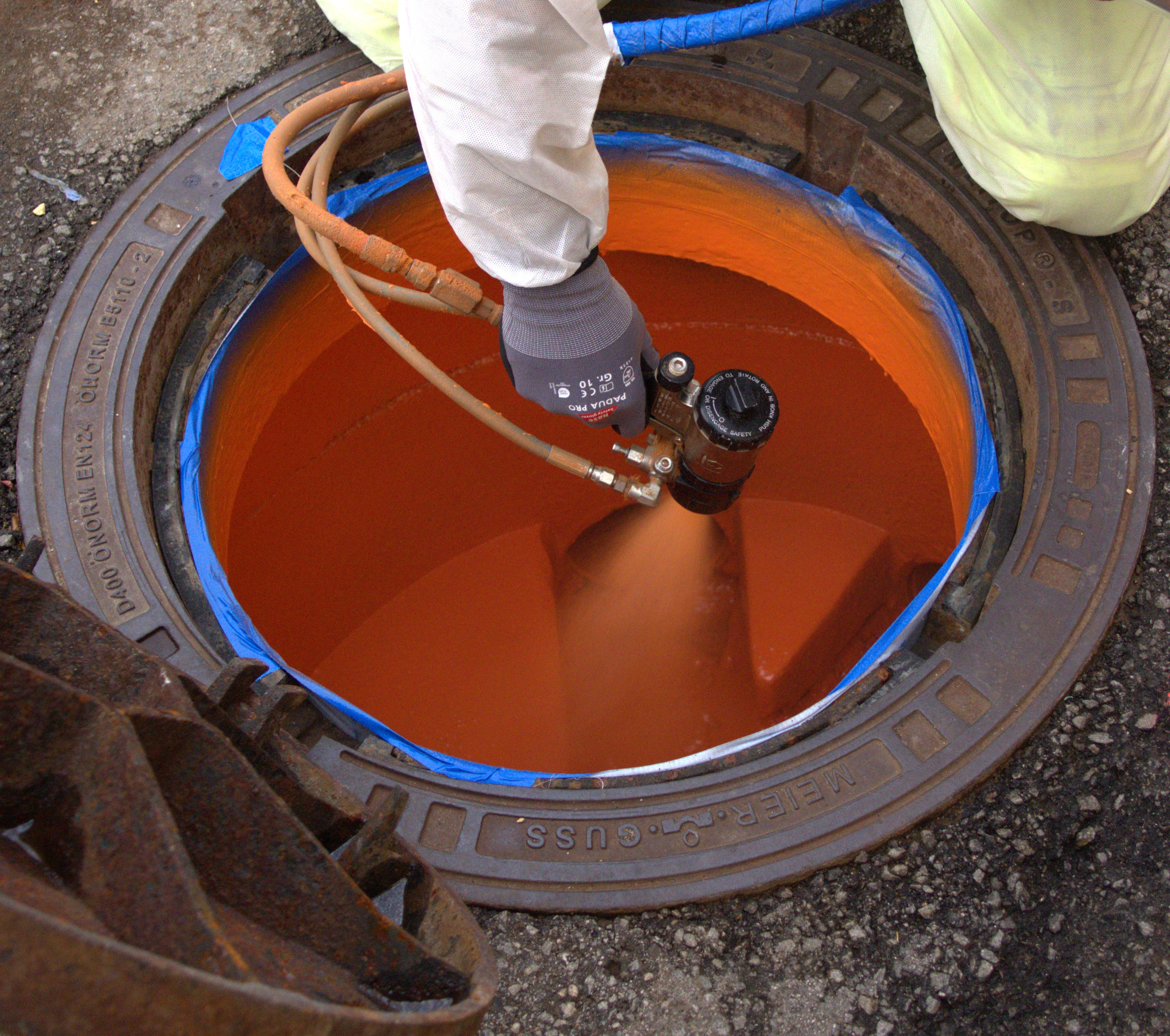
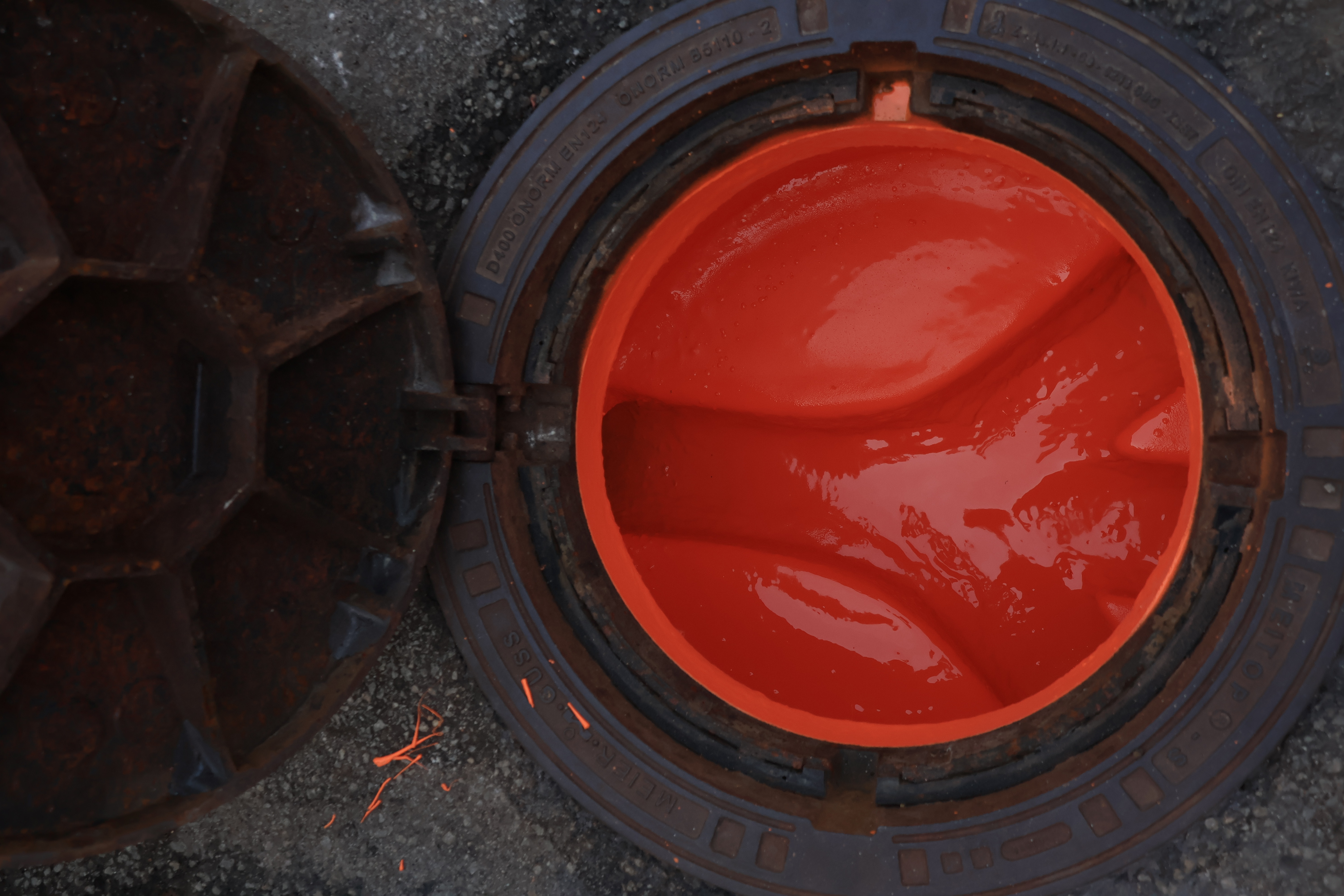
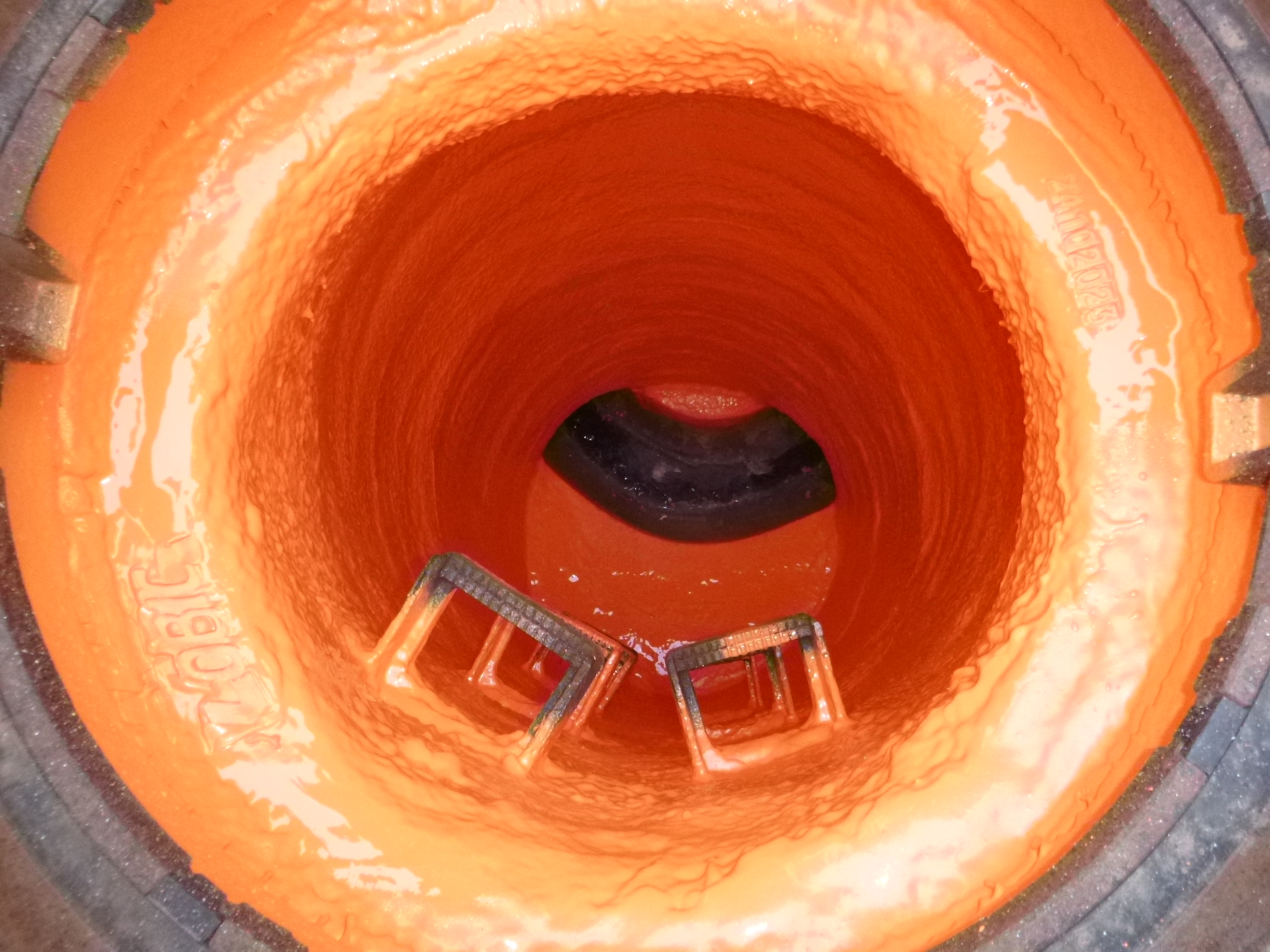
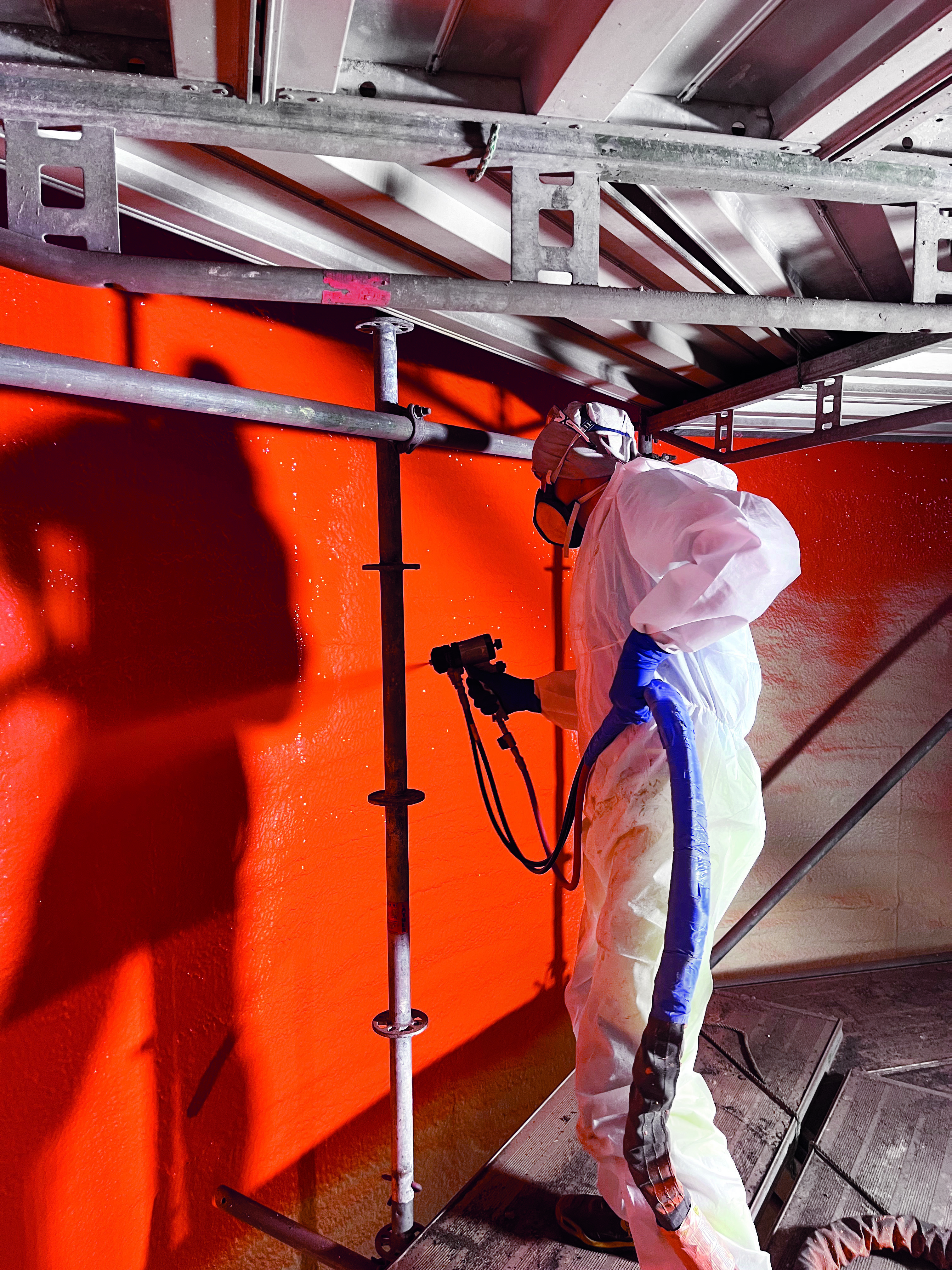
The high-performance coating is applied using the high-pressure hot-spray process and forms a seamless, permanently impermeable protective layer within minutes. This reliably protects structures against corrosion, chemical exposure, and in- and exfiltration.

As an exclusive provider in the German-speaking region, SWIETELSKY-FABER brings this modern technology specifically to municipal and industrial applications.

For which structures is the process suitable?

Types of structures

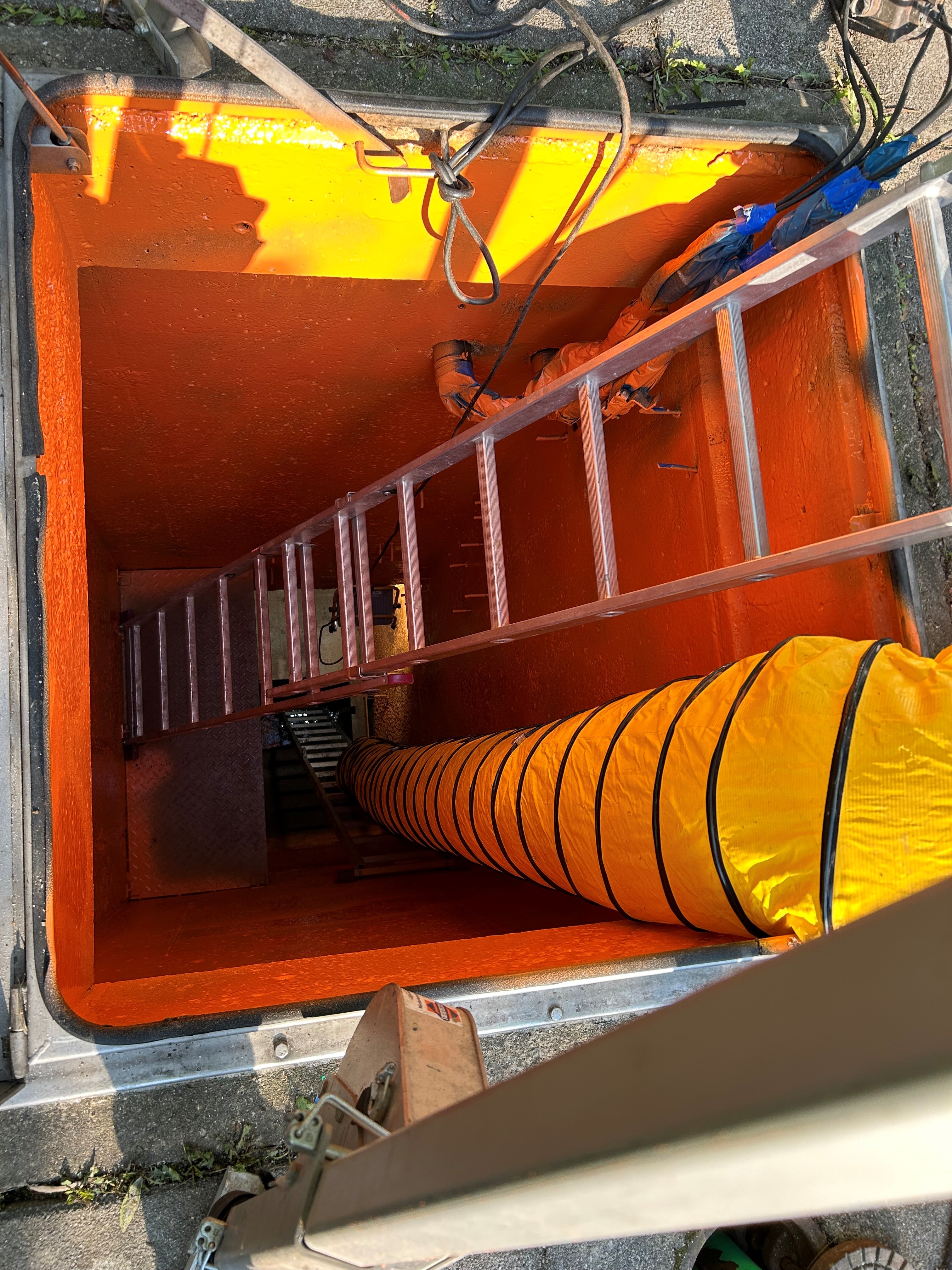
Manholes, pumping stations, stormwater retention basins, storage basins, wastewater channels, special structures, tanks, containers, industrial plants, process water systems, biogas plants

Suitable substrates

Concrete, steel, metal, plastic, masonry, and other suitable substrates (depending on the project)

Condition of the existing structures

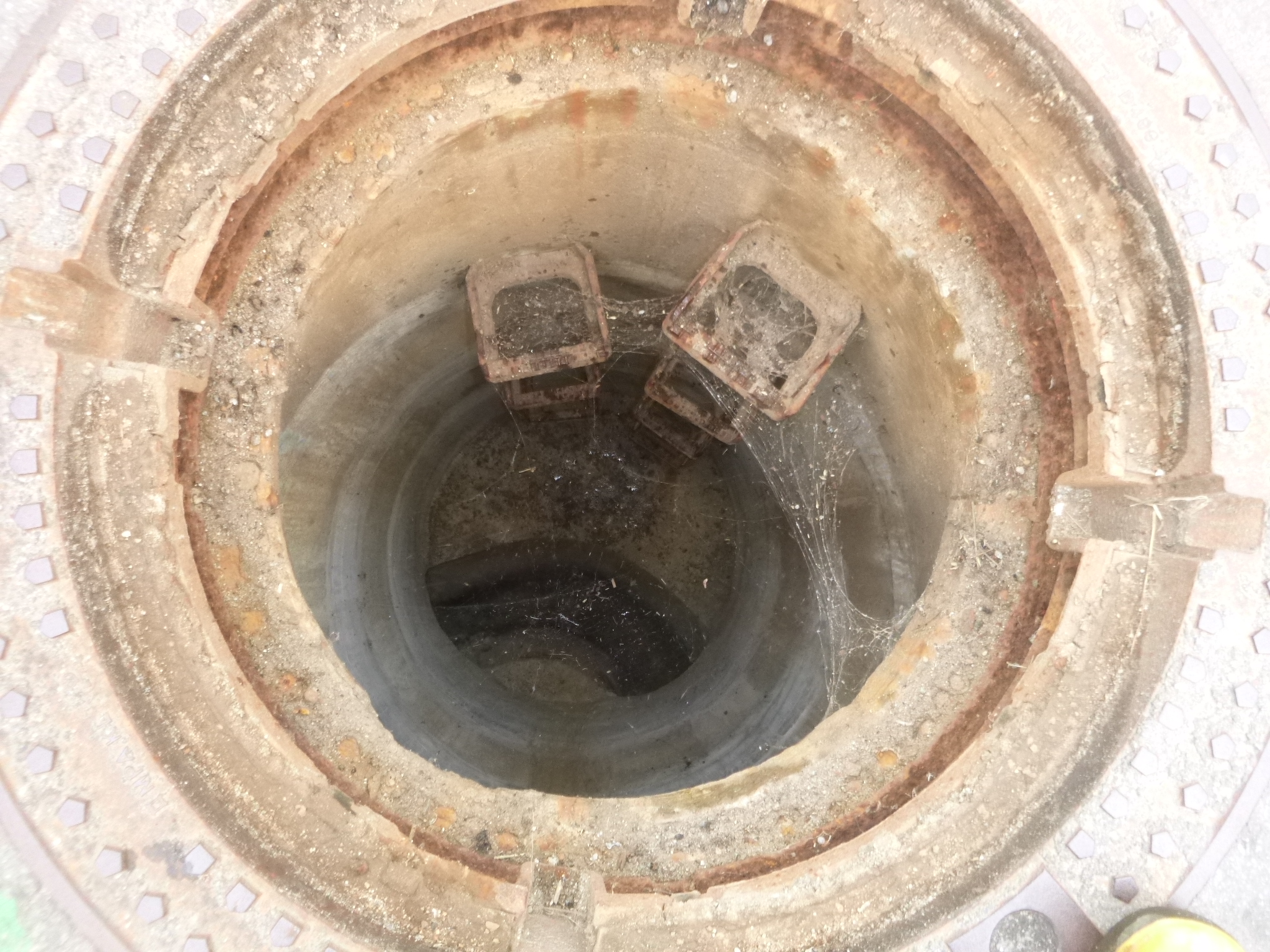
Corrosion, cracking, leaks, chemical attack, material loss, moisture ingress, infiltration, increased requirements for sealing and surface protection

Operating conditions

Wastewater areas with high chemical exposure, structures requiring permanent sealing, areas with short downtime and rapid recommissioning

Areas of application

The OBIC polyurea system is especially suitable for:

  • Structures with high moisture exposure
  • areas at risk of corrosion
  • systems with chemical media
  • hard-to-reach or complex-shaped components
  • areas with high requirements for waterproofing and hygiene

Municipal applications:

  • inspection chambers
  • pumping stations
  • stormwater retention basins
  • storage basins
  • channels
  • special structures of the water and wastewater infrastructure

Industrial applications:

  • production and process water systems
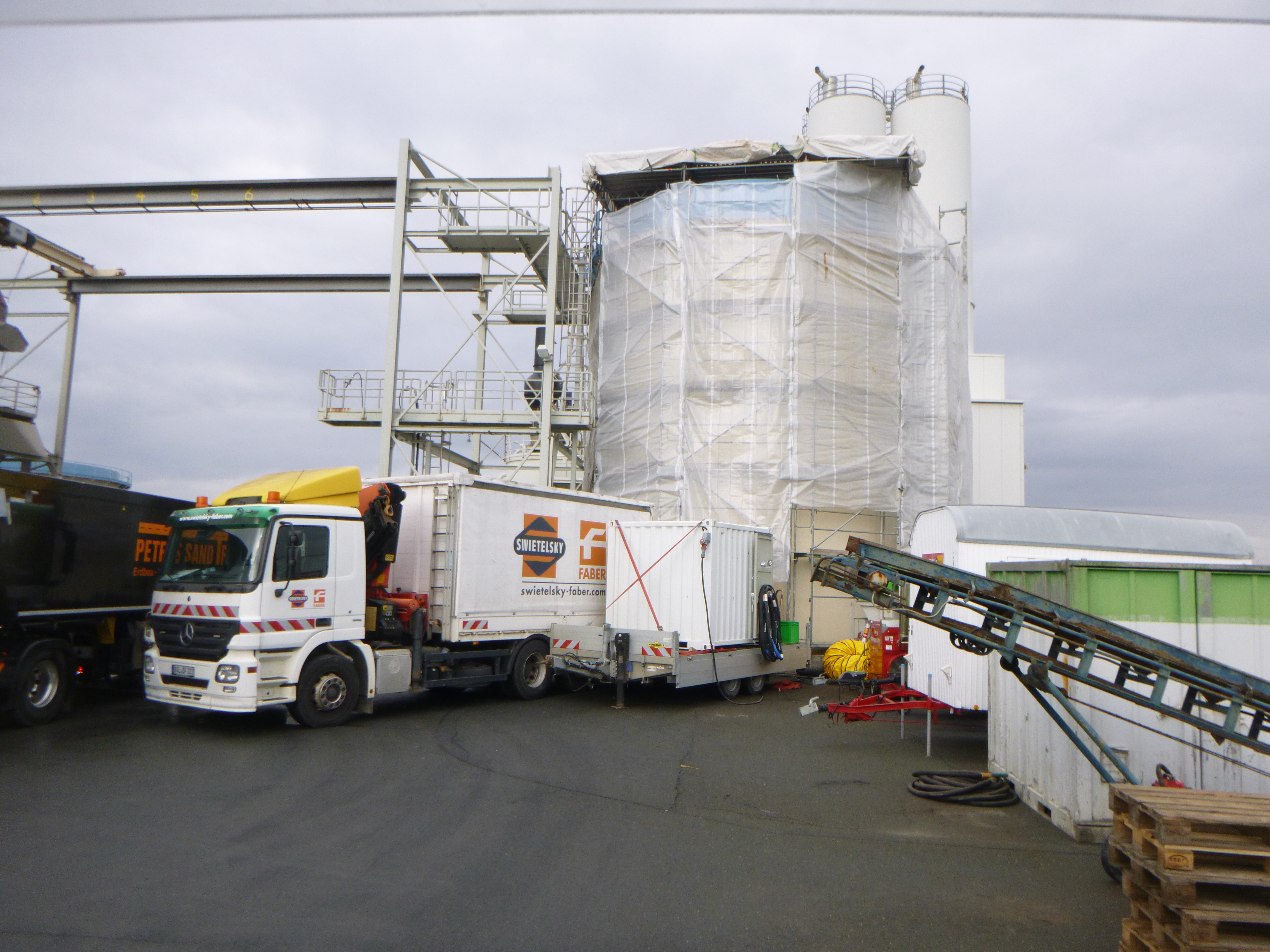
  • tank and vessel coatings
  • oil and grease separators
  • food industry (e.g. breweries, dairies)
  • biogas plants
  • other systems with chemical or mechanical loads

This is how the polyurea coating works

Before coating, the substrate is carefully prepared and conditioned for optimal adhesion.

The two-component polyurea system is then applied to the surface using the high-pressure hot spray process. Due to the rapid reaction of the components, an elastic and at the same time highly resilient protective layer is formed within a very short time.

The seamless coating also adapts to complex geometries and forms a permanently tight barrier against moisture, aggressive media, and mechanical stress.

Due to the extremely short curing time, downtime can be significantly reduced and structures can be put back into use quickly.

Advantages of Polyurea Coating

03 Seamless and permanently watertight protection
The coating forms a continuous protective layer without joints or transitions.

 Extremely short curing times
The rapid processing reduces operational interruptions and enables short refurbishment times.

 Excellent adhesion
OBIC Polyurea adheres reliably to different substrates such as concrete, metal, plastic, and other materials.

 High chemical resistance
The coating protects structures even in aggressive media and demanding operating conditions.

 Long-lasting preservation of substance
The protection extends the service life of existing infrastructure and reduces long-term maintenance effort.

Flexible and individually adaptable
Depending on requirements, the system can be designed as either flexible or statically load-bearing.

Sustainable solution
By extending the service life of existing structures and reducing the need for renovation, the system contributes to sustainable infrastructure.

Sustainability and resource conservation

Sustainable infrastructure means not only new construction, but also the long-term preservation of existing structures.

Polyurea technology supports this approach through:

  • Extension of the service life of existing structures
  • Reduction of costly replacement new construction
  • Minimization of operational interruptions
  • lower material and resource consumption through targeted renovation

The material is also 100 % solvent-free and therefore enables environmentally friendly application without additional exposure to solvent vapors.

Technical service features

Procedure:
High-pressure hot spraying process

Material:
Polyurea coating system

Properties:

  • 100 % solvent-free
  • seamless protective coating
  • fast reaction and curing times
  • high elasticity and resilience
  • high chemical resistance
  • suitable for various substrates

Suitable substrates:

  • Concrete
  • Metal
  • Plastic
  • other project-specific materials
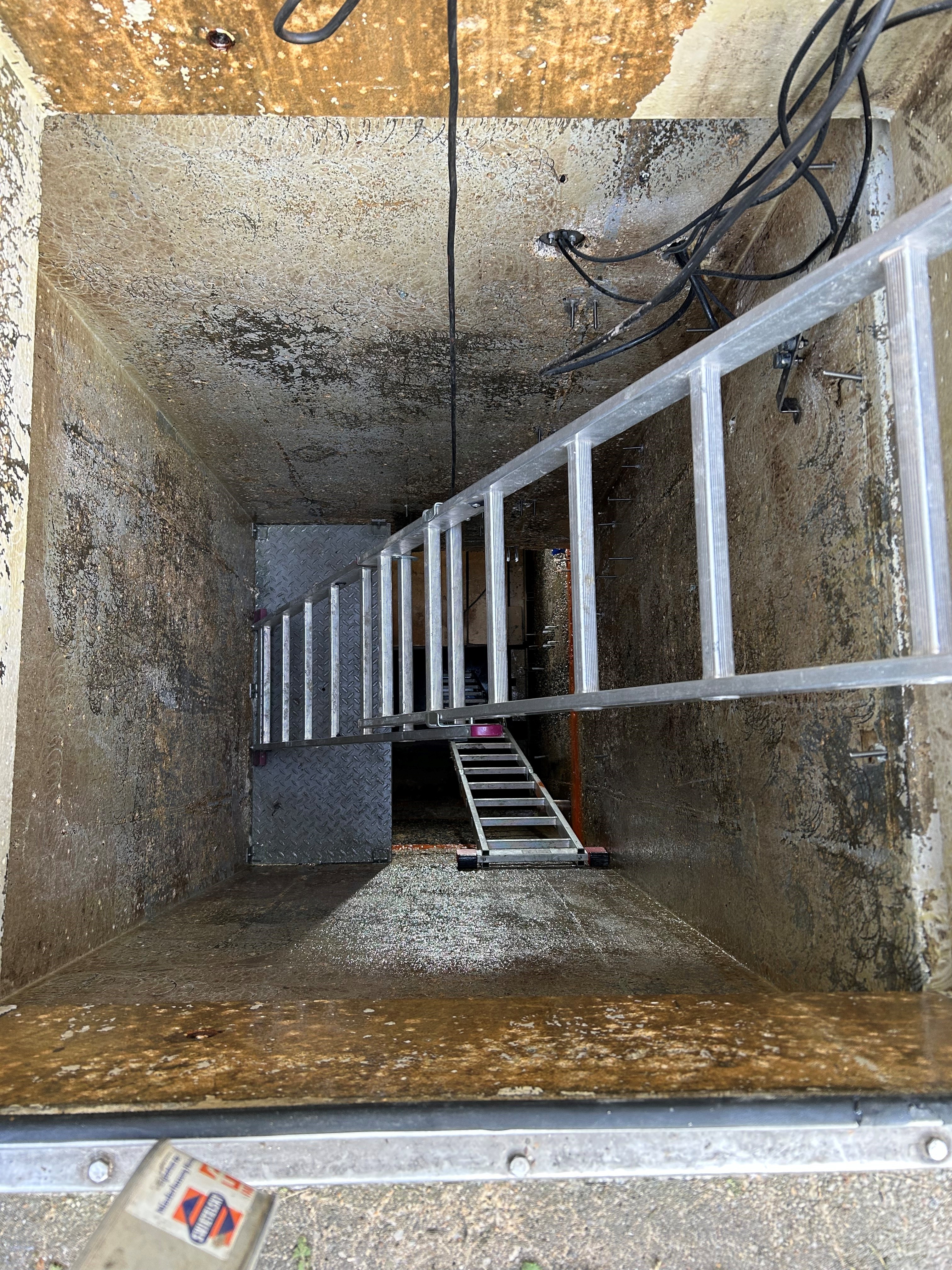
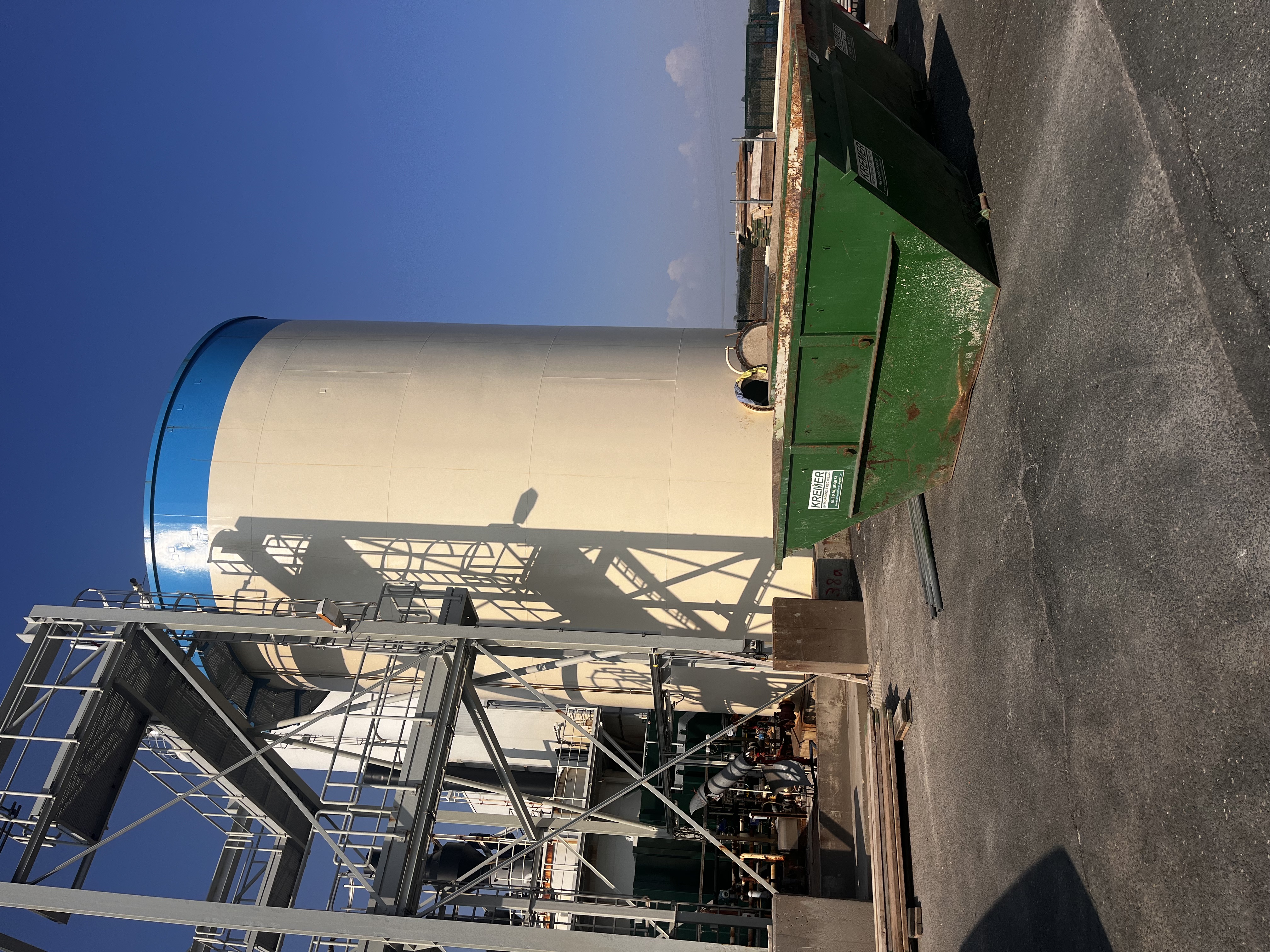
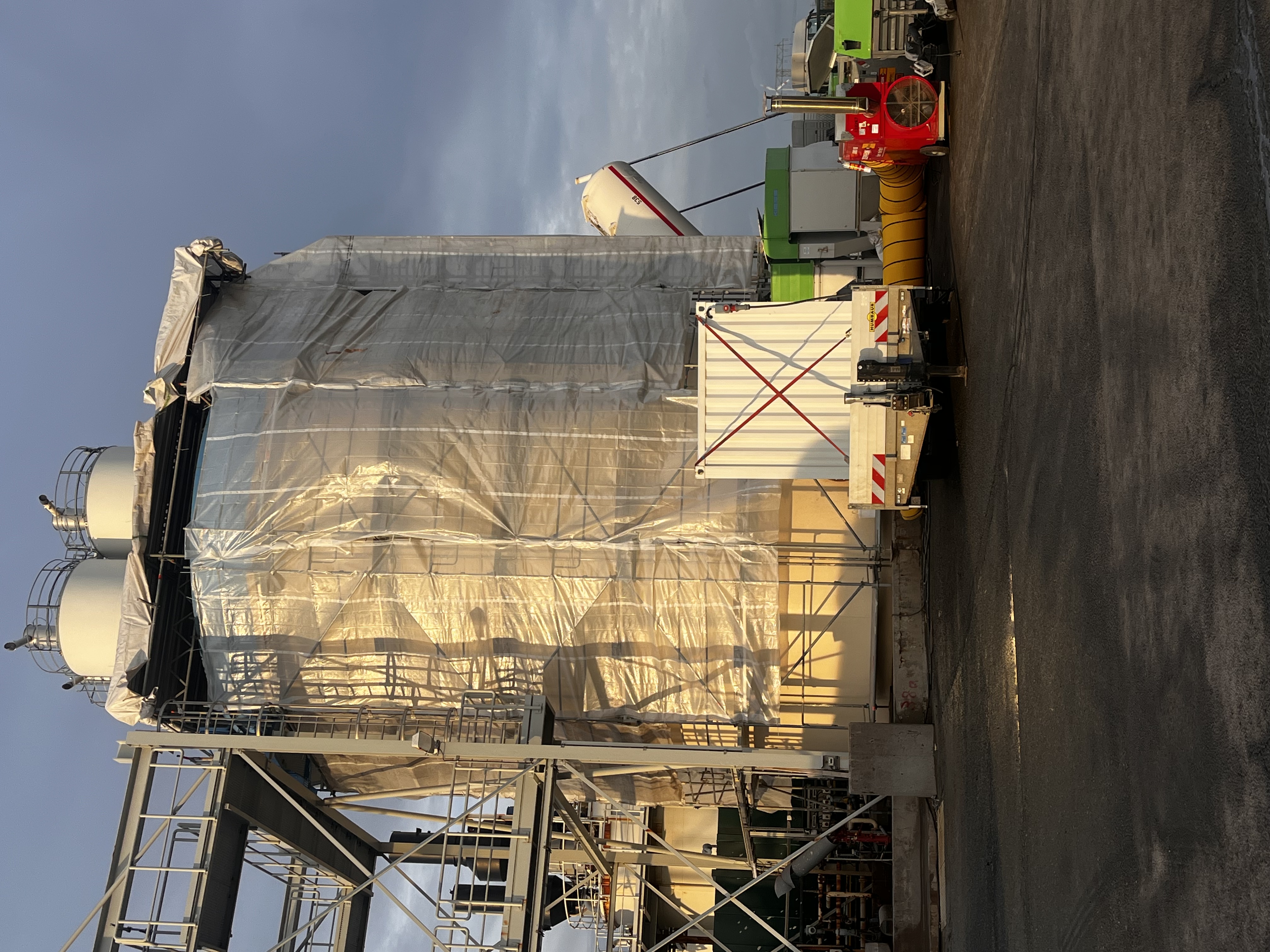
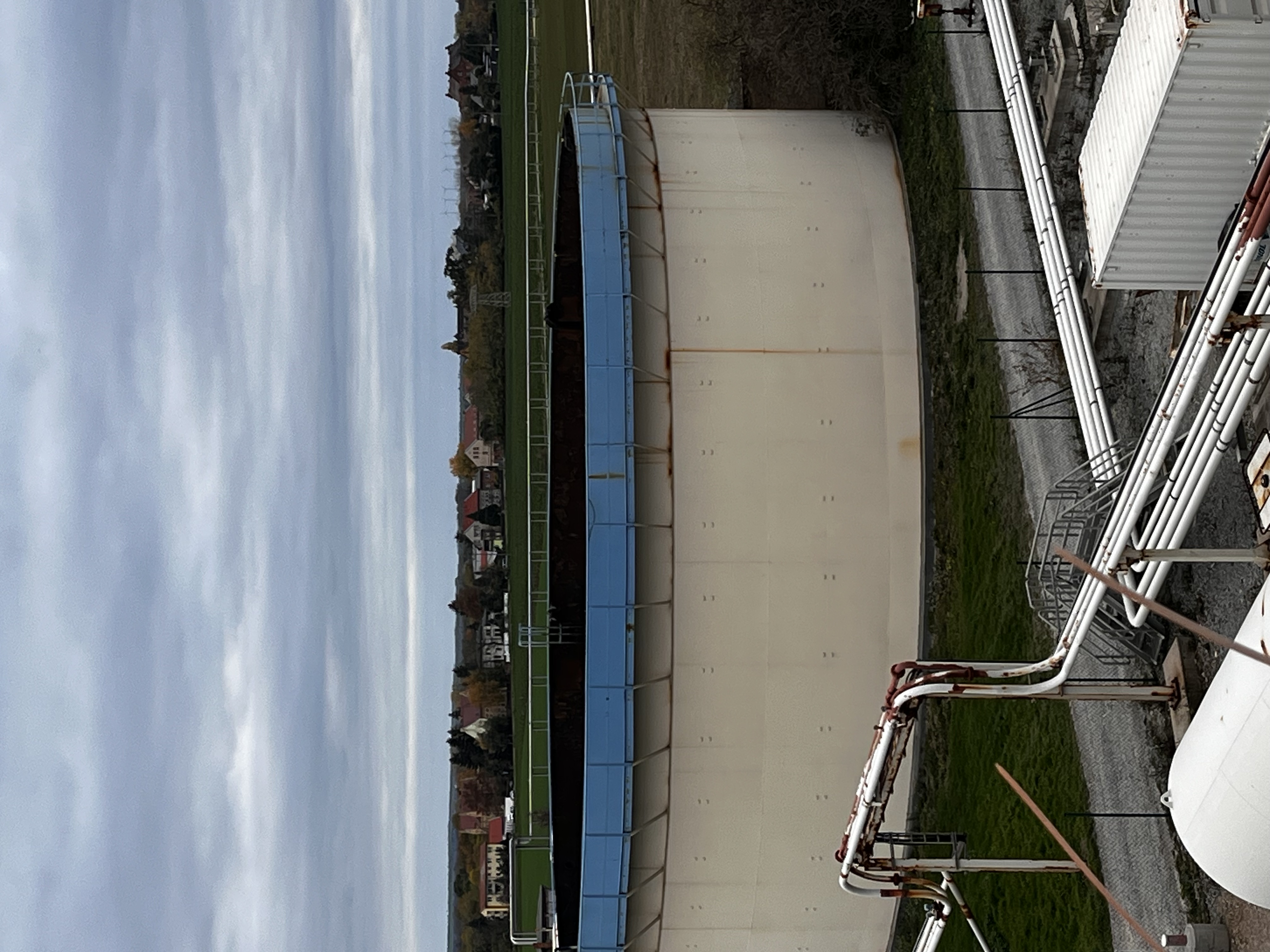
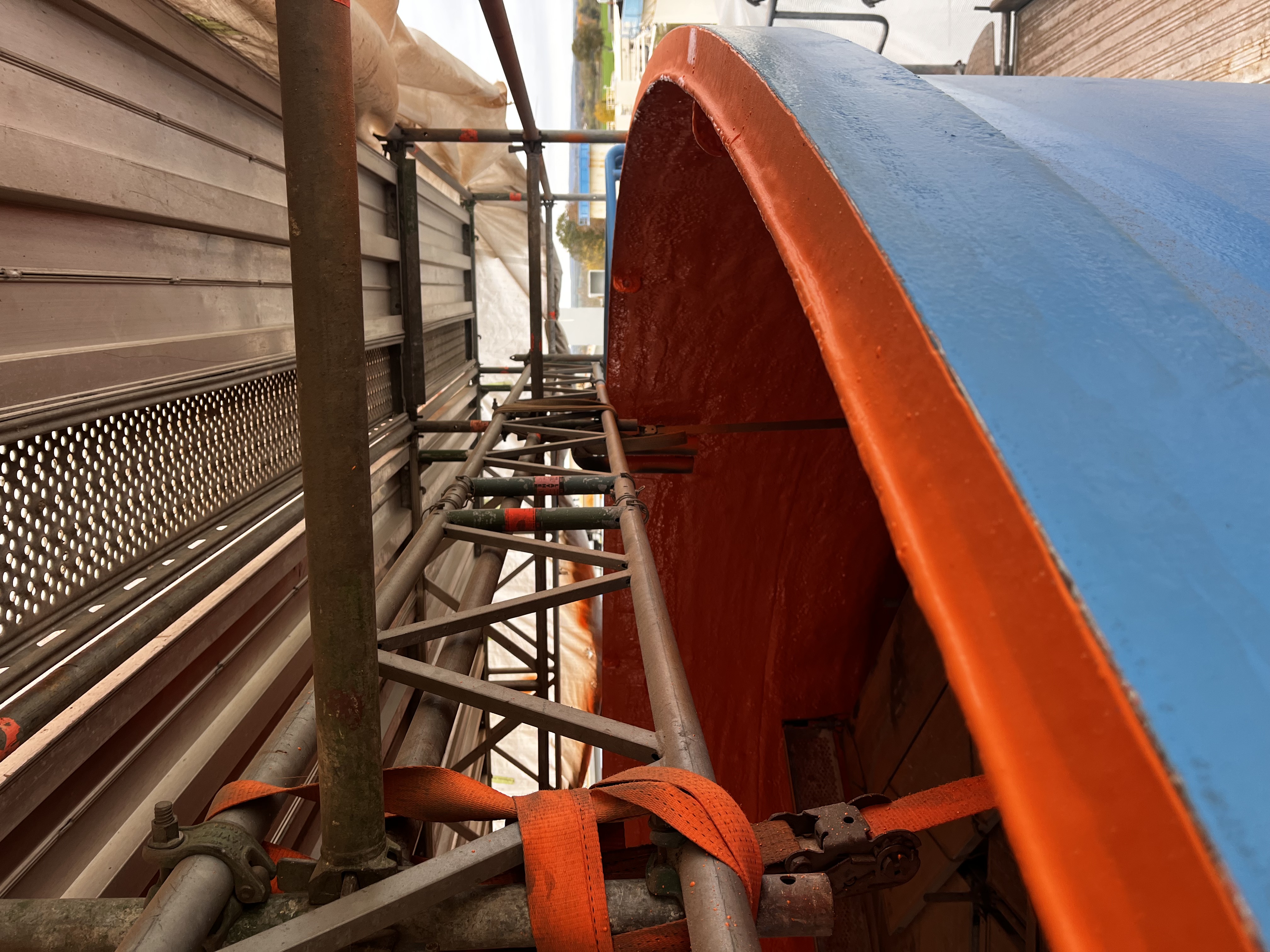
OBIC polyurea coating in practice

Frequently asked questions

Everything else you need to know about the technology

What is a polyurea coating?

Polyurea is a modern coating system that forms a particularly durable and flexible protective layer through the chemical reaction of two components. The technology is used to permanently protect structures against moisture, corrosion, and aggressive media.

What advantages does the OBIC polyurea system offer?

The system combines rapid processing with high durability. The seamless coating protects structures over the long term, reduces maintenance requirements, and enables refurbishment with short interruptions to operations.

How quickly does the polyurea coating cure?

One of the special properties of polyurea is its extremely short curing time. The coating forms a resilient protective layer within minutes, allowing structures to be used again quickly.

On which substrates can polyurea be used?

The coating adheres to numerous materials, including concrete, metal, and plastic. The specific suitability is assessed depending on the respective structure and substrate.

Is polyurea suitable for aggressive media?

Yes. The system has high chemical resistance and is particularly suitable for areas with demanding exposure to wastewater, process media, or other aggressive substances.

Where is the OBIC technology used?

Applications range from municipal structures such as manholes, pumping stations, and storage basins to industrial facilities such as tanks, process water systems, or biogas plants.

Can polyurea also be used on complex structural shapes?

Yes. The spray application allows the coating to adapt optimally to different geometries and hard-to-reach areas. This makes it suitable even for complex special structures.

Why is polyurea a sustainable refurbishment solution?

By protecting and extending the service life of existing structures, resources are conserved and costly replacement new builds are avoided. At the same time, rapid processing enables efficient refurbishment with reduced construction-site effort.